
Research
Dendritic Computation (7)
Computational models and learning algorithms inspired by dendritic processing in biological neurons.
Short-term traffic flow prediction with a dendritic neural network-enhanced time series decomposition framework Link
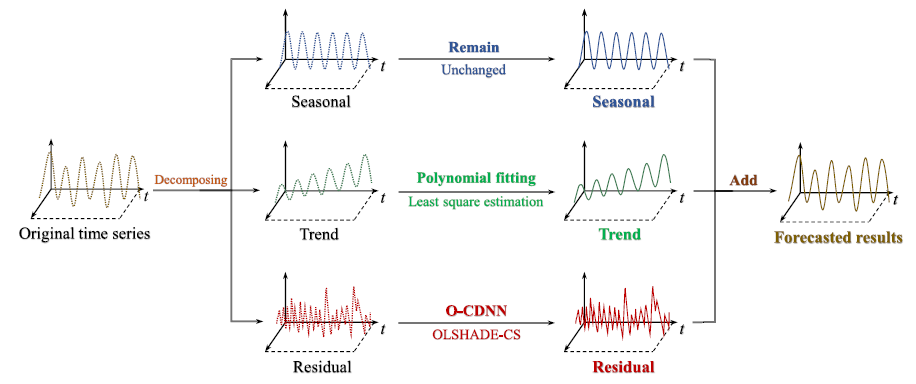
- Proposed the TSDDNN framework, integrating seasonal-trend decomposition with a dendritic neural network for accurate and efficient short-term traffic flow prediction.
- Developed a decomposition-based forecasting strategy that separately models seasonal, trend, and residual components, enabling more effective learning of complex traffic dynamics.
- Enhanced dendritic neural network optimization using the OLSHADE-CS evolutionary algorithm, improving convergence efficiency and nonlinear residual modeling while avoiding local optima.
- Combined statistical time-series decomposition with biologically inspired neural computation, providing a lightweight and computationally efficient framework for nonlinear traffic forecasting.
- Demonstrated superior prediction accuracy and robustness over statistical, machine learning, deep learning, and transformer-based approaches across multiple real-world traffic datasets.
Evaluating a novel incremental-input neural network for multivariate air temperature forecasting Link
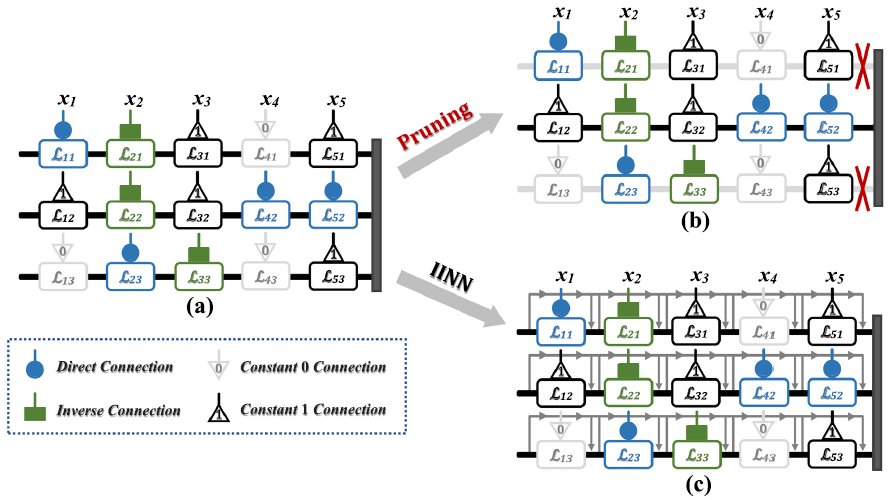
- Proposed a novel Incremental-Input Neural Network (IINN) for multivariate air temperature forecasting, extending dendritic neural computation to efficiently model complex nonstationary time series.
- Introduced an incremental-input mechanism that preserves information flow across dendritic branches, effectively alleviating gradient vanishing, gradient explosion, and branch degeneration in high-dimensional learning.
- Designed a lightweight dendritic neural architecture that enhances nonlinear feature representation while maintaining computational efficiency and improving model interpretability.
- Integrated the IINN with AdamW optimization to achieve stable convergence and robust multivariate forecasting under different prediction horizons.
- Demonstrated state-of-the-art forecasting performance on multiple real-world meteorological datasets, consistently outperforming recurrent, transformer-based, and conventional dendritic neural models.
Dendritic neural network: a novel extension of dendritic neuron model Link
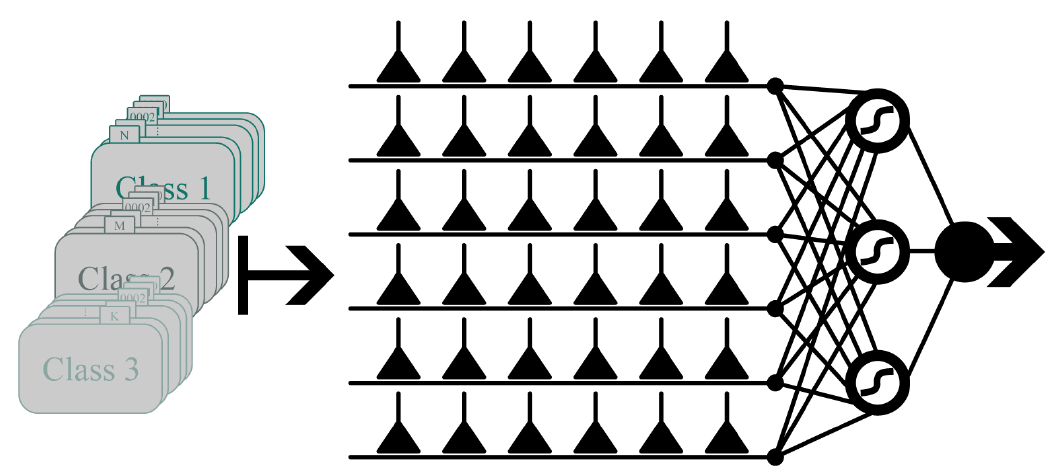
- Proposed the Dendritic Neural Network (DNN), extending the conventional dendritic neuron model into a neural network.
- Introduced flexible synaptic and dendritic structures for enhanced nonlinear learning.
- Developed a dendrite-aware dropout mechanism to mitigate gradient vanishing.
- Designed a multi-output architecture for complex classification tasks.
- Achieved state-of-the-art performance on benchmark classification datasets.
Dendritic neural regression model trained by chicken swarm optimization algorithm for bank customer churn prediction Link
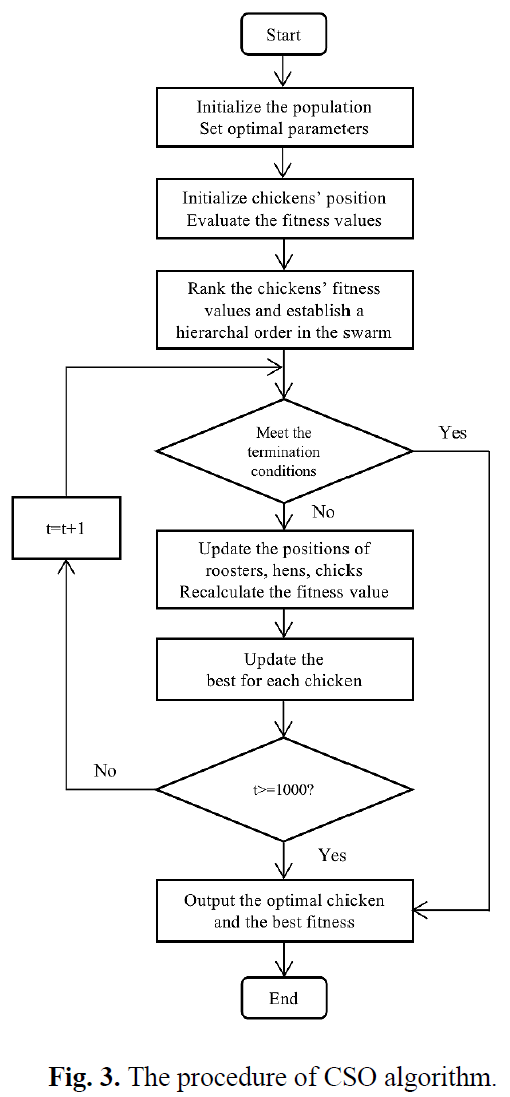
- Proposed a Chicken Swarm Optimization-based Dendritic Neural Regression Model (CSO-DNRM) for accurate bank customer churn prediction by integrating biologically inspired neural computation with swarm intelligence optimization.
- Designed a four-layer dendritic neural regression architecture that models nonlinear synaptic interactions while employing synaptic and dendritic pruning to simplify network topology and improve computational efficiency.
- Applied the Chicken Swarm Optimization (CSO) algorithm to optimize network weights and thresholds, achieving an effective balance between global exploration and local exploitation during model training.
- Improved prediction accuracy and convergence speed through the synergy of evolutionary optimization and dendritic neural computation, outperforming conventional gradient-based learning strategies.
- Demonstrated superior performance on a public bank customer churn benchmark, highlighting the potential of lightweight dendritic neural models for customer relationship management and business decision support.
A survey on dendritic neuron model: mechanisms, algorithms and practical applications Link
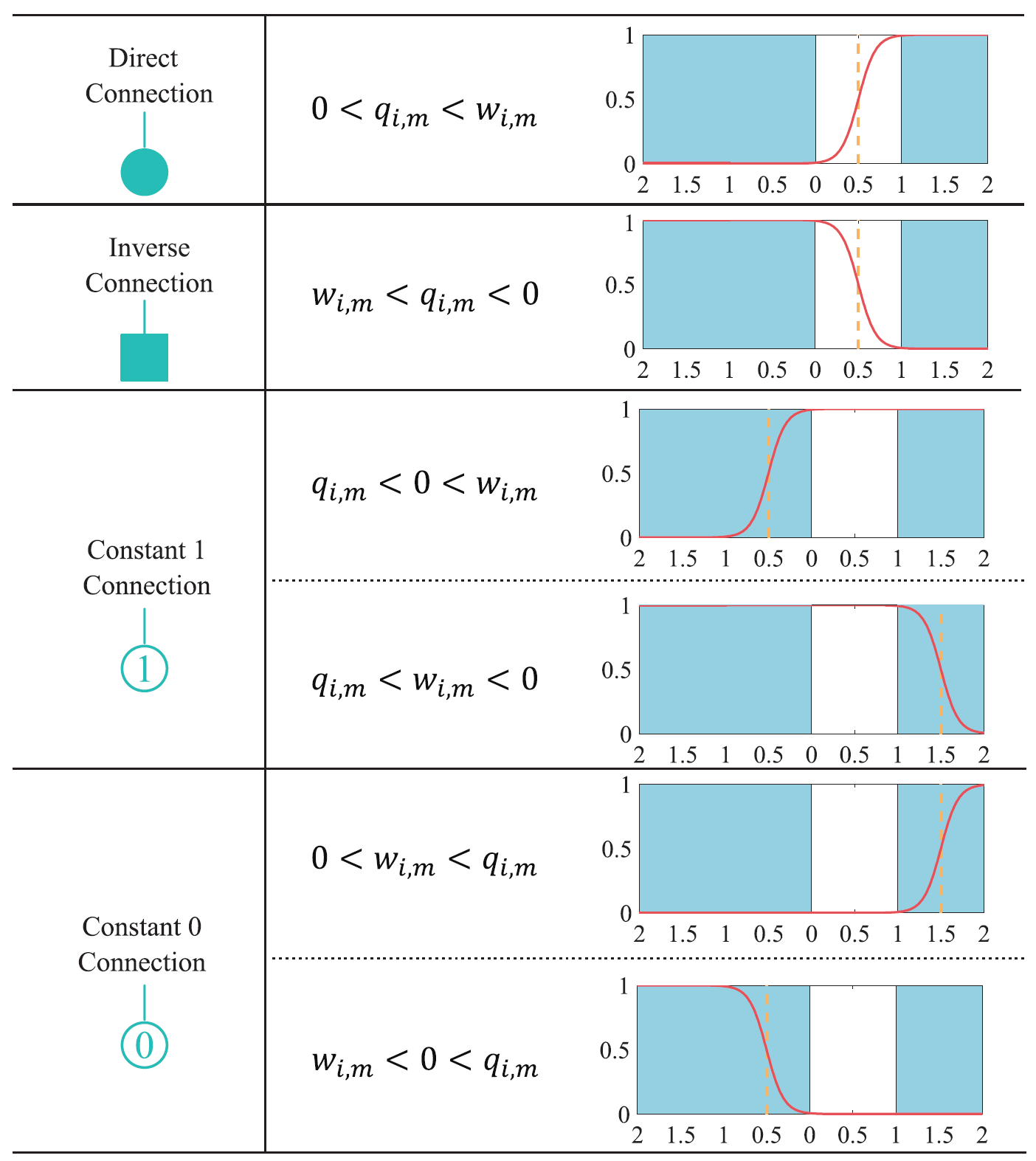
- Presented the first comprehensive survey of the dendritic neuron model (DNM).
- Systematically reviewed the mechanisms, learning algorithms, and practical applications of DNM.
- Analyzed the neural pruning and logic circuit transformation mechanisms of DNM.
- Compared representative optimization algorithms for training DNM through extensive experiments.
- Discussed the challenges and future research directions of dendritic neuron models.
Artificial immune system training algorithm for a dendritic neuron model Link
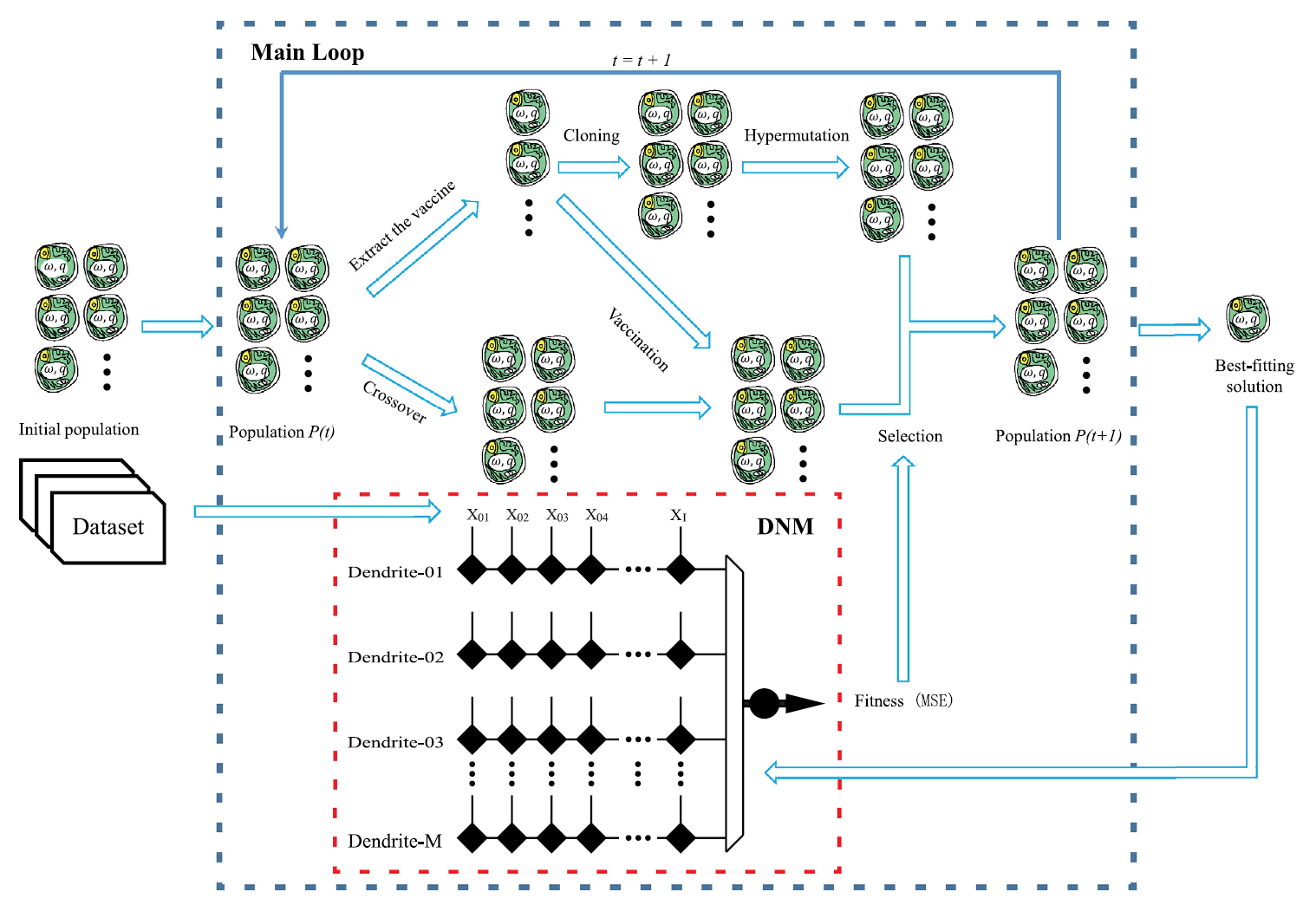
- Proposed an artificial immune system (AIS) training algorithm for the dendritic neuron model.
- Improved the optimization capability of DNM through immune-inspired global search.
- Enhanced convergence speed and reduced the risk of local optima compared with backpropagation.
- Preserved the neuronal pruning mechanism for automatic model simplification.
- Enabled hardware implementation through logic circuit transformation.
An evolutionary neuron model with dendritic computation for classification and prediction Link
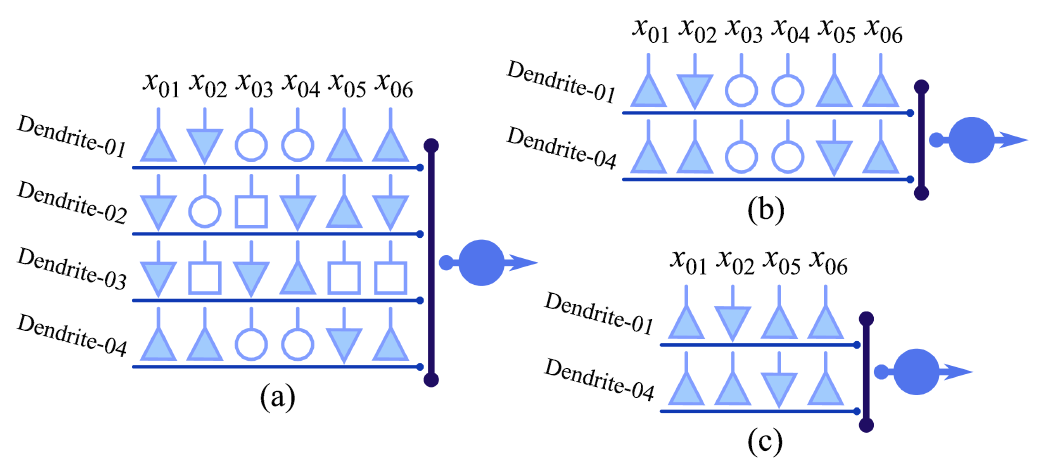
- Proposed an evolutionary dendritic neuron model (FADNM) using the firefly algorithm for classification and prediction.
- Improved the learning capability of the dendritic neuron model through metaheuristic optimization.
- Introduced a neural pruning scheme to automatically simplify dendritic structures.
- Enabled hardware implementation of the pruned model using logic circuits.
- Demonstrated superior performance on both classification and time series prediction tasks.
Time Series Forecasting (6)
Modeling temporal dynamics for prediction, monitoring, and decision support in real-world systems.
Decomposed seasonal-trend network with rotary attention for time series forecasting Link
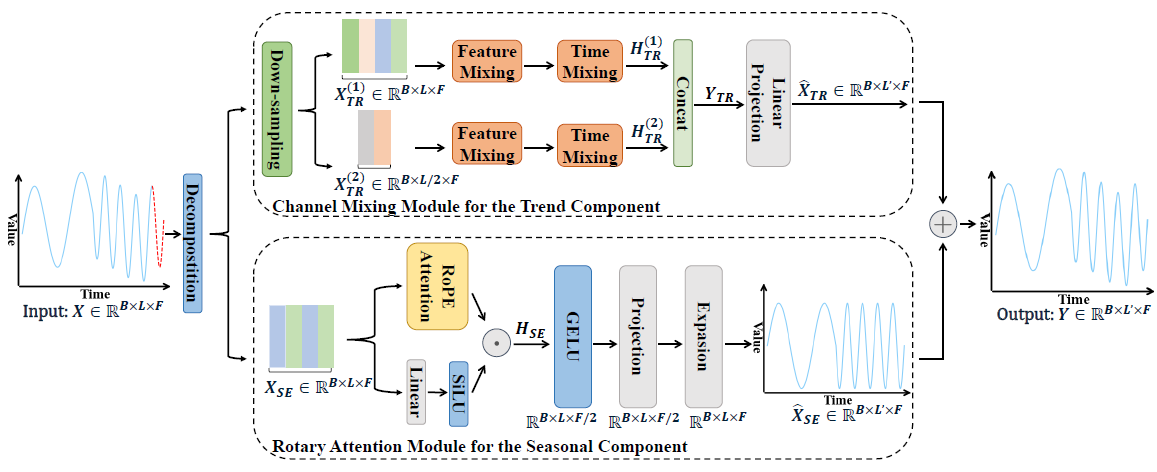
- Proposed the Decomposed Seasonal-Trend Network with Rotary Attention (DSTN-RA), a dual-branch forecasting framework that explicitly models trend and seasonal components using dedicated architectures.
- Introduced a Rotary Attention module with Rotary Position Embedding (RoPE) to strengthen periodic pattern learning and capture long-range nonlinear temporal dependencies in seasonal signals.
- Developed a multi-granularity Channel Mixing module that combines down-sampling with feature and temporal mixing to effectively model smooth trend dynamics across multiple temporal resolutions.
- Leveraged seasonal-trend decomposition to disentangle heterogeneous temporal patterns, enabling specialized learning strategies for trend and seasonal information and improving model interpretability.
- Achieved state-of-the-art forecasting performance on multiple benchmark datasets, with ablation studies validating the complementary roles of decomposition, Rotary Attention, and Channel Mixing in time series modeling.
KPMG: a graphical Koopman-Mamba approach for financial markets Link
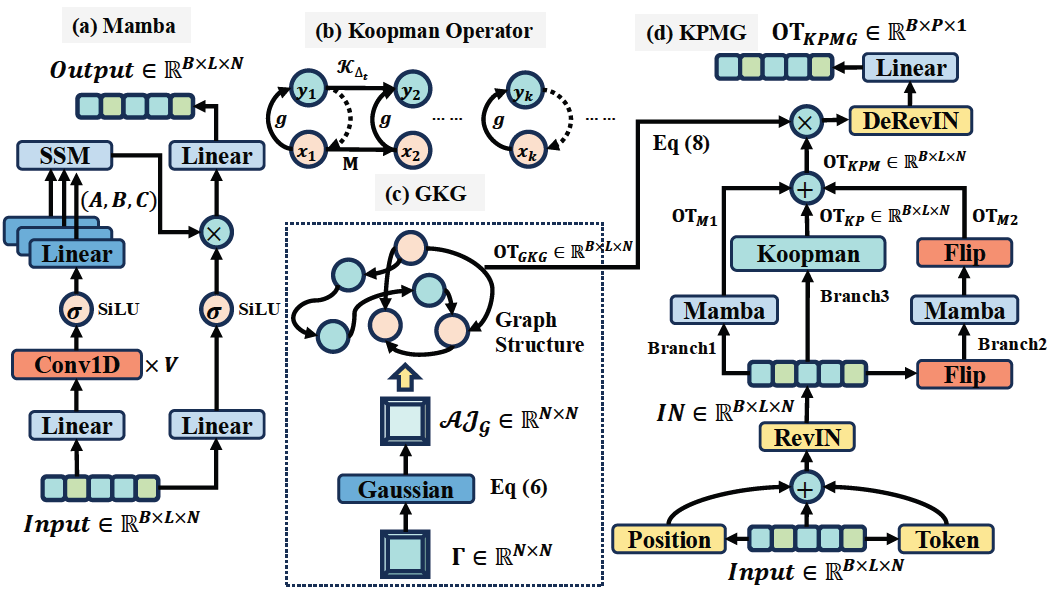
- Proposed KPMG, a hybrid forecasting framework that integrates Koopman-enhanced Mamba with graph neural networks to jointly model temporal dependencies and inter-variable correlations in financial markets.
- Developed a Koopman-Mamba module by incorporating Koopman operator theory into bidirectional Mamba, improving feature filtering and enhancing long-range temporal dependency modeling while suppressing noisy financial signals.
- Introduced the Gaussian Kernel Graph (GKG) module to construct adaptive graph representations of financial indicators, enabling effective modeling of inter-variable correlations with reduced computational complexity.
- Unified temporal dynamics and graph-based relational learning through Koopman-Mamba and GKG, achieving improved forecasting accuracy, information coefficient (IC), and ranked information coefficient (RIC) for trustworthy financial prediction.
- Demonstrated superior performance on multiple financial market benchmarks, validating the effectiveness of combining Koopman spectral analysis, state space modeling, and graph learning for reliable financial forecasting.
Enhancing nonlinear dependencies of Mamba via negative feedback for time series forecasting Link
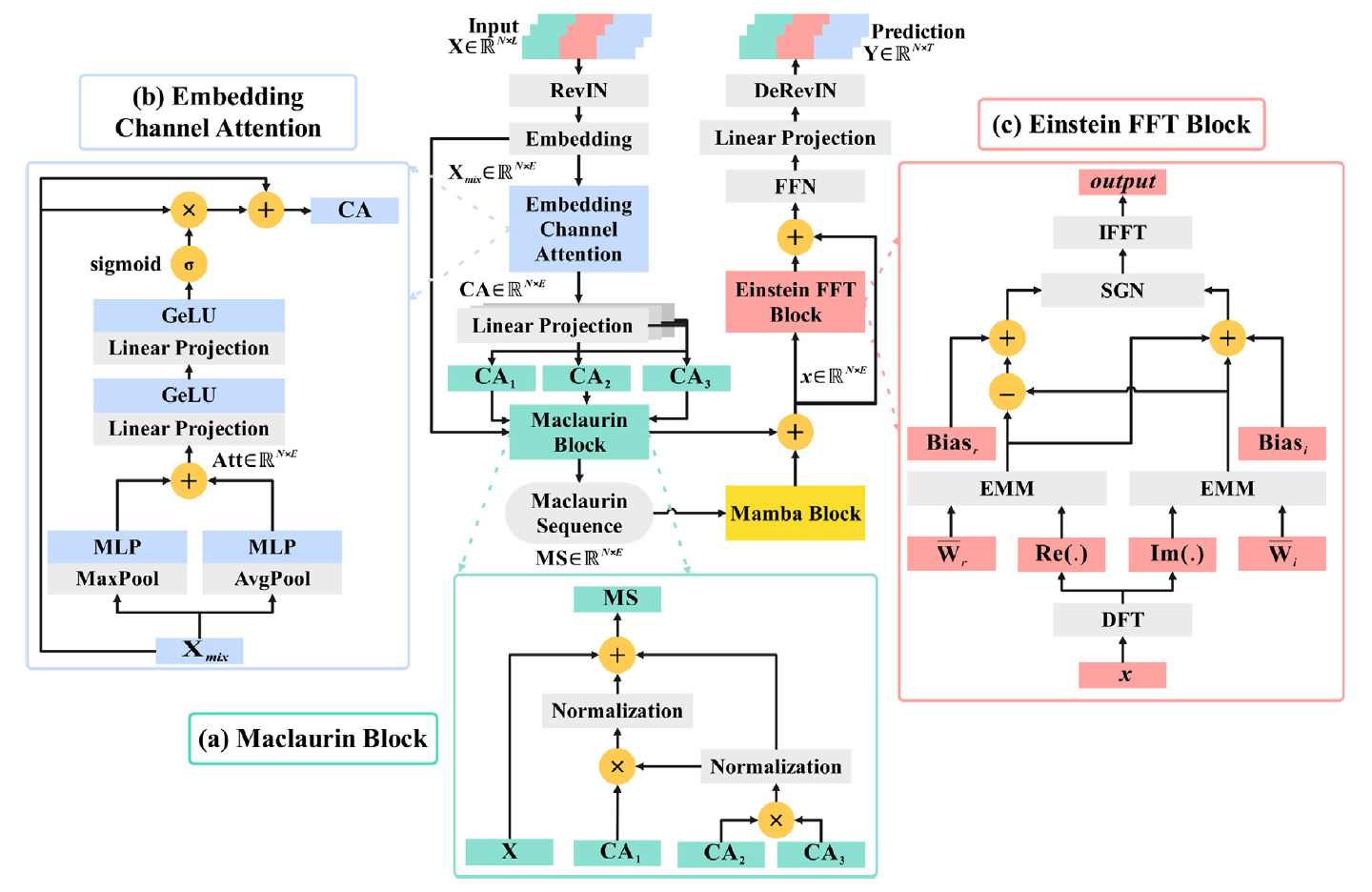
- Proposed CME-Mamba to enhance nonlinear dependency modeling for time series forecasting.
- Introduced a Maclaurin-based negative feedback mechanism for nonlinear feature enhancement.
- Developed an embedding channel attention mechanism to jointly capture temporal and inter-variate dependencies.
- Incorporated an Einstein FFT block to alleviate gradient vanishing and improve training stability.
- Achieved state-of-the-art performance on 11 real-world time series forecasting benchmarks.
Attention Mamba: time series modeling with adaptive pooling acceleration and receptive field enhancements Link
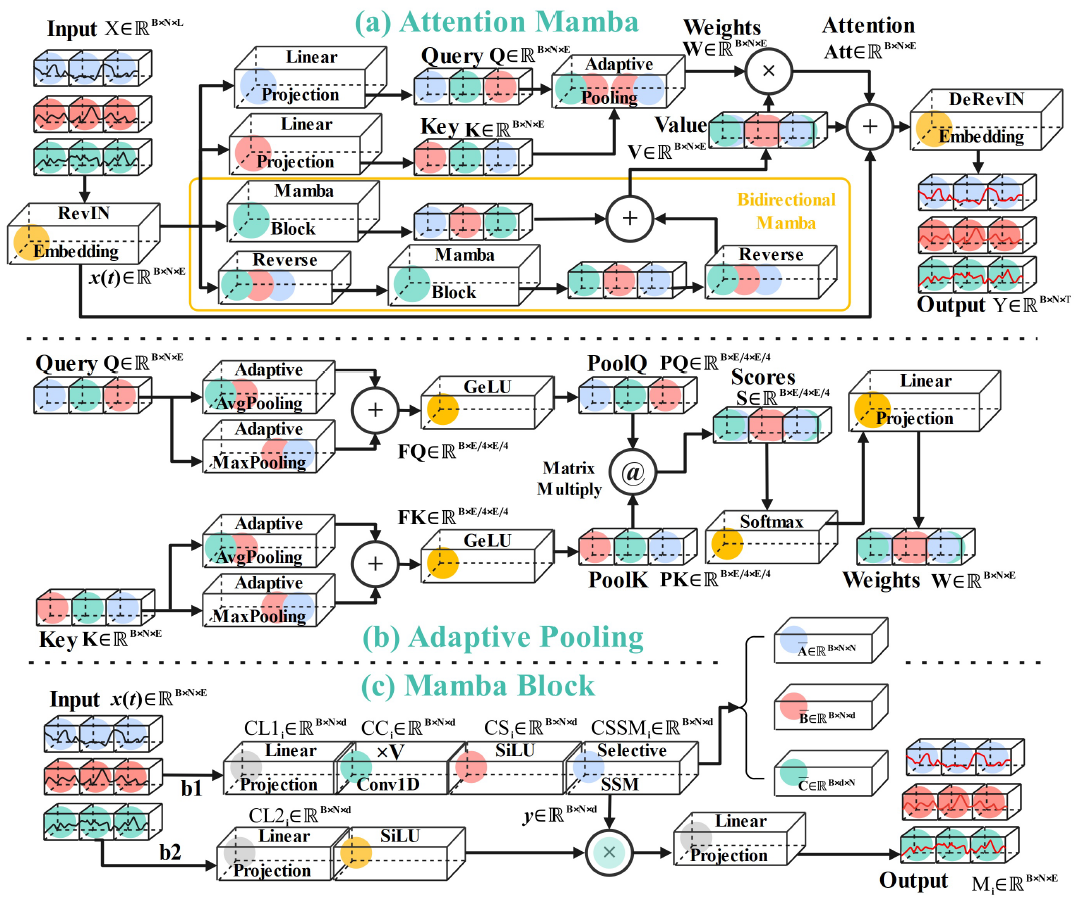
- Proposed Attention Mamba, a novel Mamba-based architecture that integrates adaptive pooling with bidirectional state space modeling to improve multivariate time series forecasting.
- Designed an Adaptive Pooling attention mechanism that simultaneously enlarges receptive fields, preserves global contextual information, and accelerates attention computation through adaptive feature compression.
- Combined adaptive attention with a bidirectional Mamba block to jointly capture long-range and short-range nonlinear temporal dependencies while maintaining computational efficiency.
- Enhanced feature representation by coupling global attention with selective state space modeling, achieving a better trade-off between prediction accuracy, training efficiency, and memory consumption than existing Mamba variants.
- Demonstrated state-of-the-art forecasting performance across diverse real-world benchmark datasets, validating the effectiveness of adaptive receptive field enhancement for complex time series modeling.
A survey on machine learning models for financial time series forecasting Link
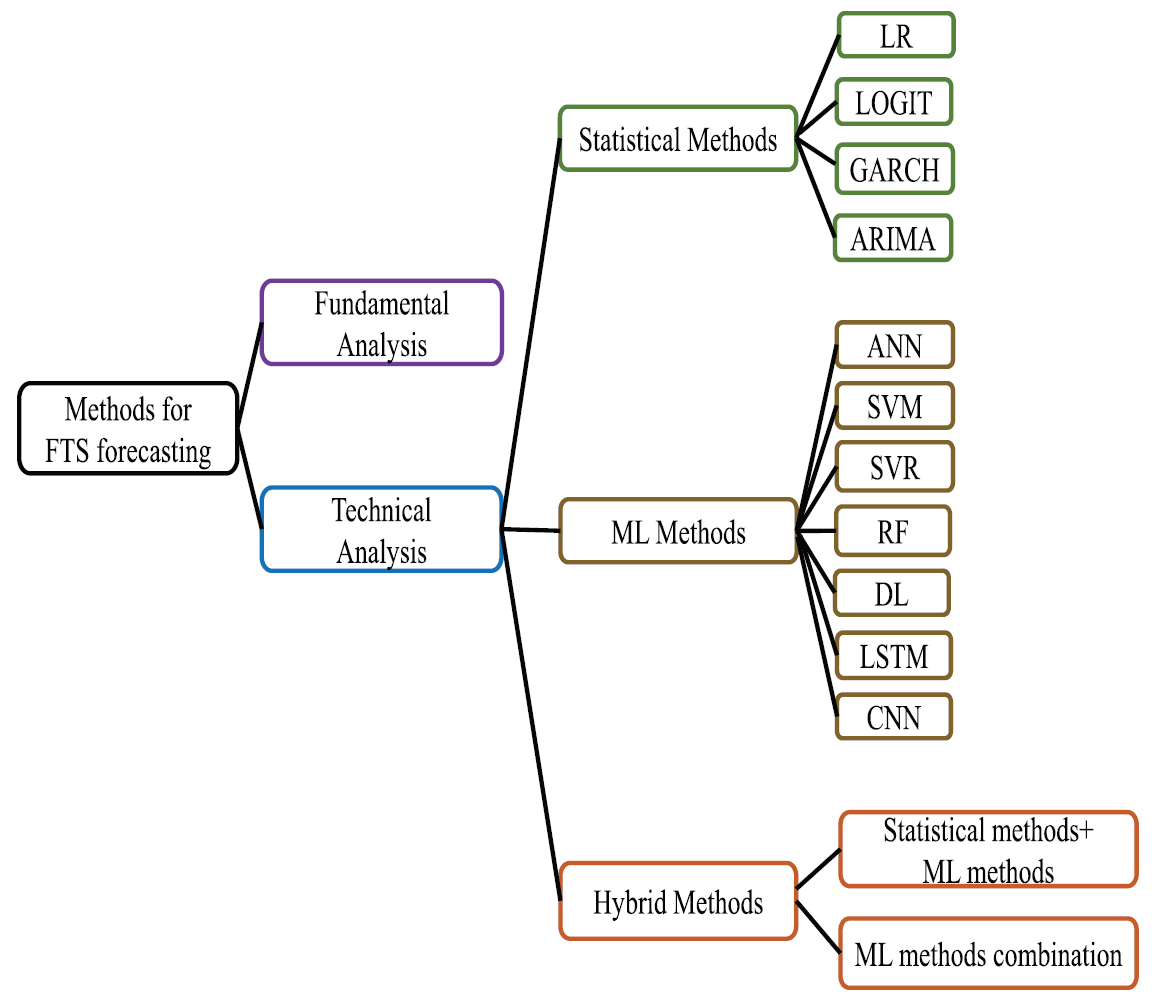
- Presented a comprehensive survey of machine learning models for financial time series forecasting.
- Systematically compared the strengths and limitations of mainstream forecasting models.
- Summarized widely used financial datasets, evaluation metrics, and forecasting tasks.
- Analyzed recent research trends and the growing adoption of deep learning and hybrid models.
- Identified open challenges and future research directions for financial time series forecasting.
Adopting a dendritic neural model for predicting stock price index movement Link
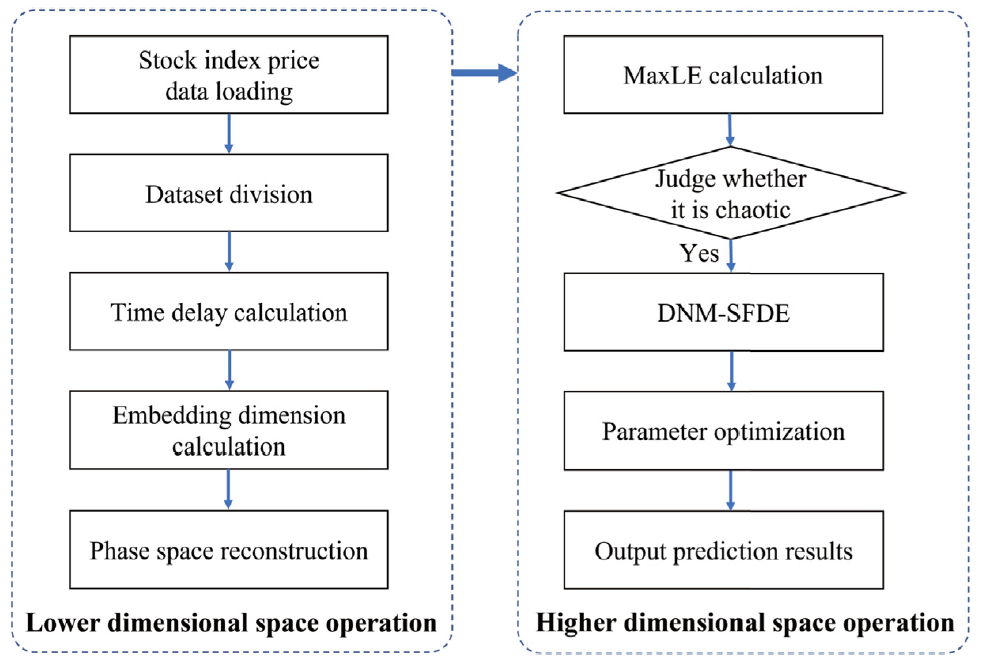
- Proposed a dendritic neural model (DNM) for financial time series forecasting.
- Developed a scale-free differential evolution (SFDE) algorithm for optimizing DNM.
- Integrated phase space reconstruction to capture the chaotic dynamics of financial time series.
- Improved the balance between exploration and exploitation through scale-free optimization.
- Achieved superior prediction performance on multiple benchmark stock market indices.
Computer Vision (5)
Visual recognition and analysis methods for images, videos, and multimodal real-world observations.
A two-stage filtering approach for video-based document digitization Link
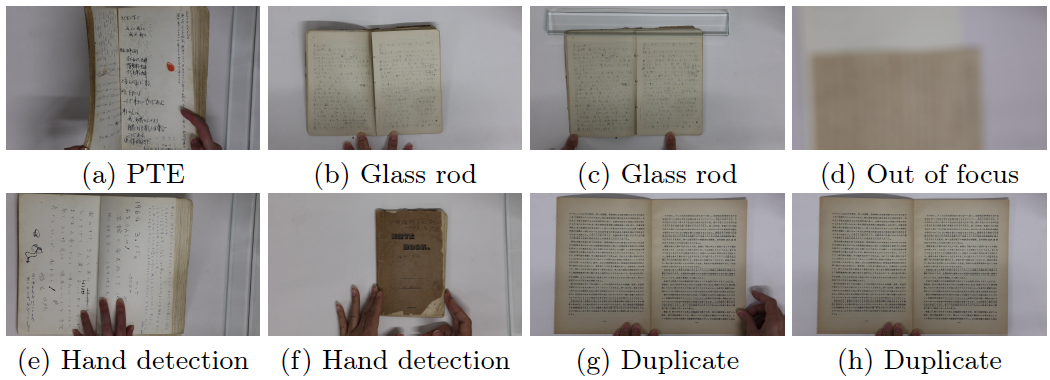
- Proposed a lightweight two-stage filtering framework for automatic document digitization from overhead videos by combining temporal anomaly detection and density-based clustering.
- Developed a page-turn event detection strategy using cosine similarity of pretrained MobileNetV3 feature embeddings, enabling robust identification of page transitions without additional model training.
- Integrated OPTICS-based clustering to group stable page frames and eliminate residual page-turn artifacts, producing representative page images while preserving visually similar pages.
- Designed a practical CPU-only digitization pipeline with hand detection and duplicate removal, supporting batch processing and parameter refinement without requiring video recapture.
- Achieved perfect recall across multiple real-world document digitization scenarios, demonstrating a cost-effective and reliable alternative to dedicated document scanning systems.
Hyperspectral image classification based on double-hop graph attention multiview fusion network Link
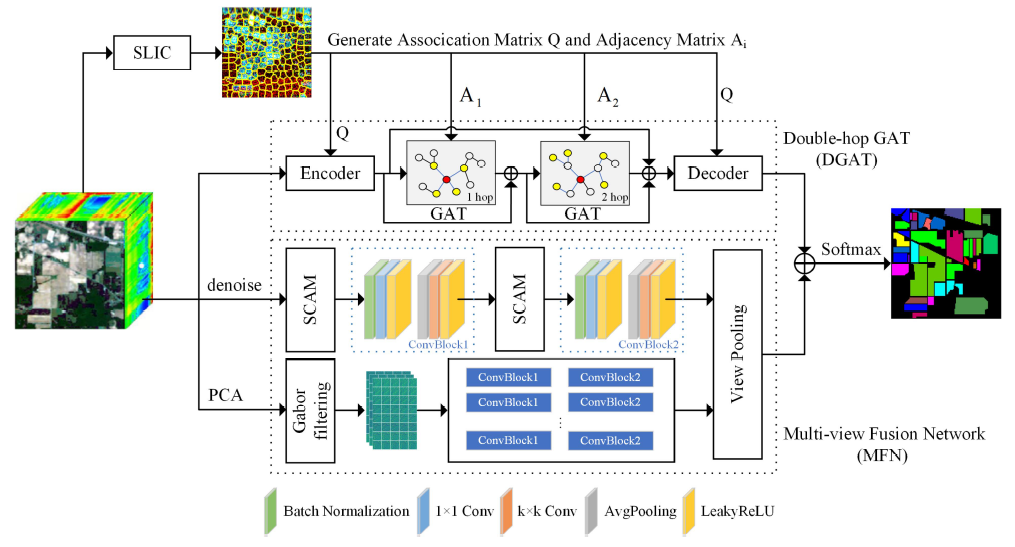
- Proposed a Double-hop Graph Attention Multiview Fusion Network (DGAT-MFN) for hyperspectral image classification by jointly exploiting graph-based contextual information and multiview feature learning.
- Introduced a double-hop graph attention mechanism that aggregates both local and long-range superpixel relationships, extending the receptive field beyond conventional graph attention networks.
- Developed a Spectral-Coordinate Attention Module (SCAM) that jointly models spectral channel importance and spatial coordinate dependencies to enhance discriminative spectral–spatial feature representation.
- Designed a multiview fusion framework integrating global spectral–spatial representations with multiscale Gabor texture features, enabling more accurate preservation of edge details and homogeneous-region structures.
- Achieved state-of-the-art classification performance on four benchmark hyperspectral datasets under limited labeled samples, demonstrating the effectiveness of combining graph learning, attention mechanisms, and multiview feature fusion.
A framework of specialized knowledge distillation for Siamese tracker on challenging attributes Link
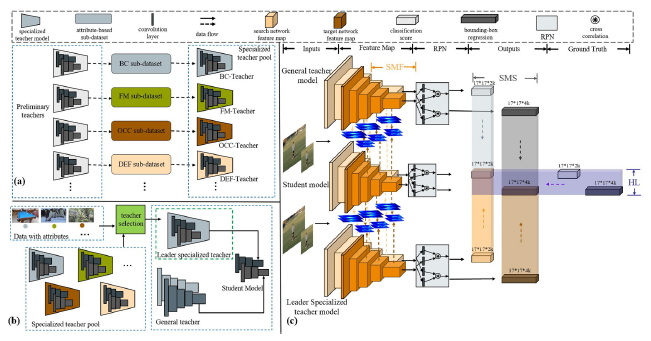
- Proposed a Specialized teachers Distilled Siamese Tracker (SDST) framework that compresses Siamese trackers while enhancing robustness under challenging tracking scenarios.
- Introduced a multi-teacher knowledge distillation strategy combining a general teacher with attribute-specific specialized teachers to transfer both generic and scenario-oriented tracking knowledge.
- Designed a Multi-teacher Specialized Knowledge Distillation (MSKD) model that jointly distills intermediate feature representations and high-level semantic knowledge through customized feature and soft-label losses.
- Improved tracking performance on challenging attributes such as fast motion, occlusion, low resolution, and background clutter while achieving substantial model compression and real-time inference.
- Validated the framework on multiple Siamese trackers, achieving up to 8× model compression, 252 FPS inference speed, and consistent accuracy improvements across challenging tracking benchmarks.
DenseHashNet: a novel deep hashing for medical image retrieval Link
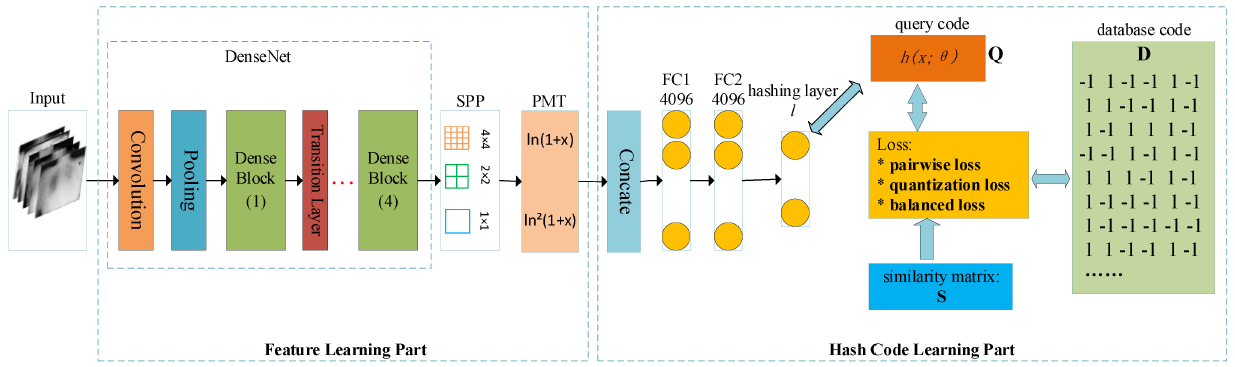
- Proposed DenseHashNet, an end-to-end deep hashing framework for content-based medical image retrieval.
- Introduced a Spatial Pyramid Pooling (SPP) module for multi-scale feature extraction and fusion.
- Developed a Power-Mean Transformation (PMT) module to enhance nonlinear feature representation.
- Designed a joint optimization strategy with pairwise, quantization, and balanced loss functions for hash learning.
- Achieved state-of-the-art retrieval performance on medical image datasets with compact hash codes.
Evolutionary neural architecture design of liquid state machine for image classification Link
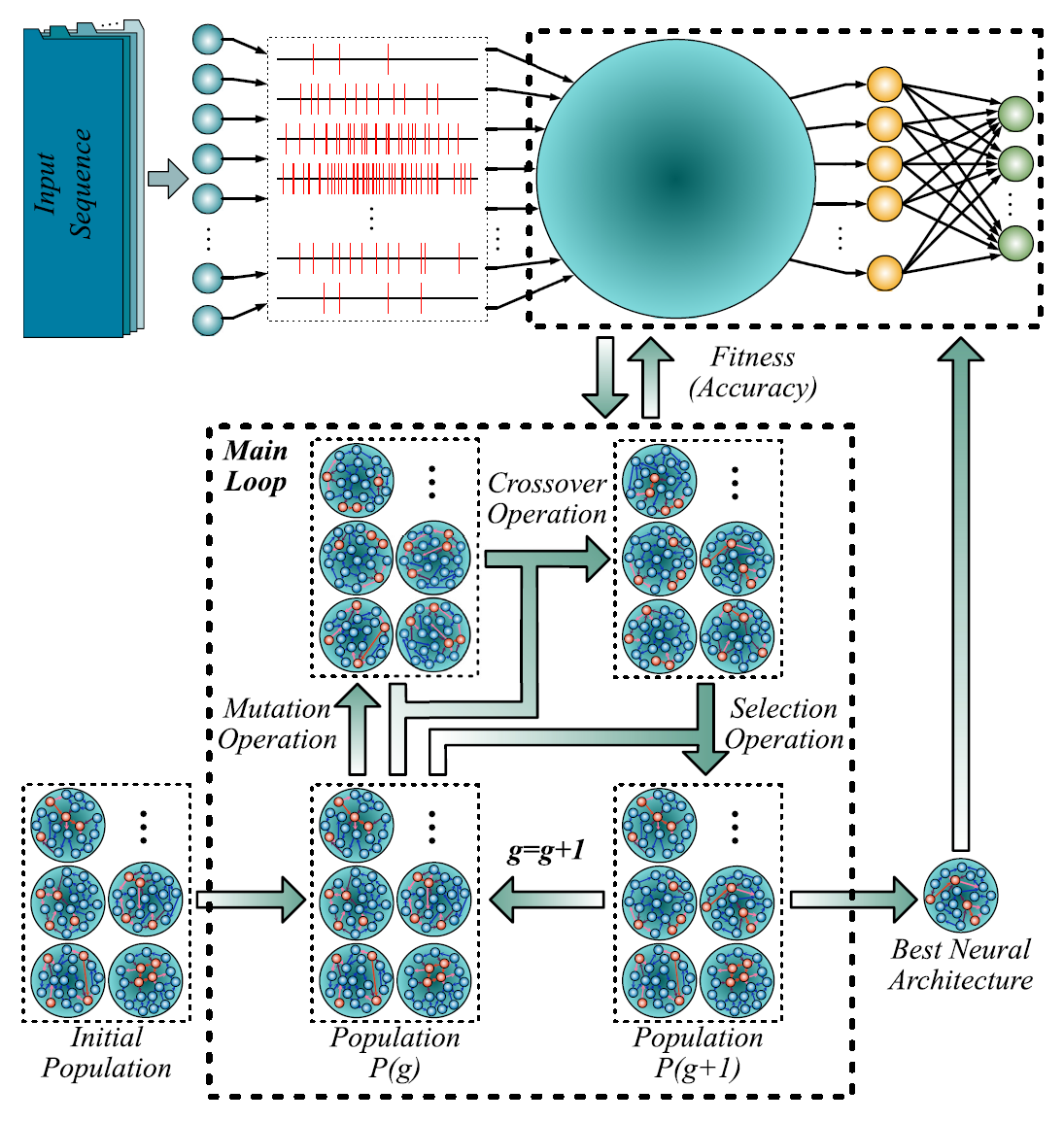
- Proposed an evolutionary neural architecture design framework for liquid state machines (LSMs).
- Developed a SHADE-based optimization strategy for automatic neural architecture search.
- Optimized key reservoir hyperparameters without prior knowledge or manual tuning.
- Improved the classification performance of LSM through evolutionary architecture optimization.
- Demonstrated superior performance on handwritten image classification benchmarks.
Medical Data Mining (5)
Methods for discovering clinically meaningful patterns from heterogeneous medical and healthcare data.
GlucoMixer: an efficient glucose monitoring model with mixers Link
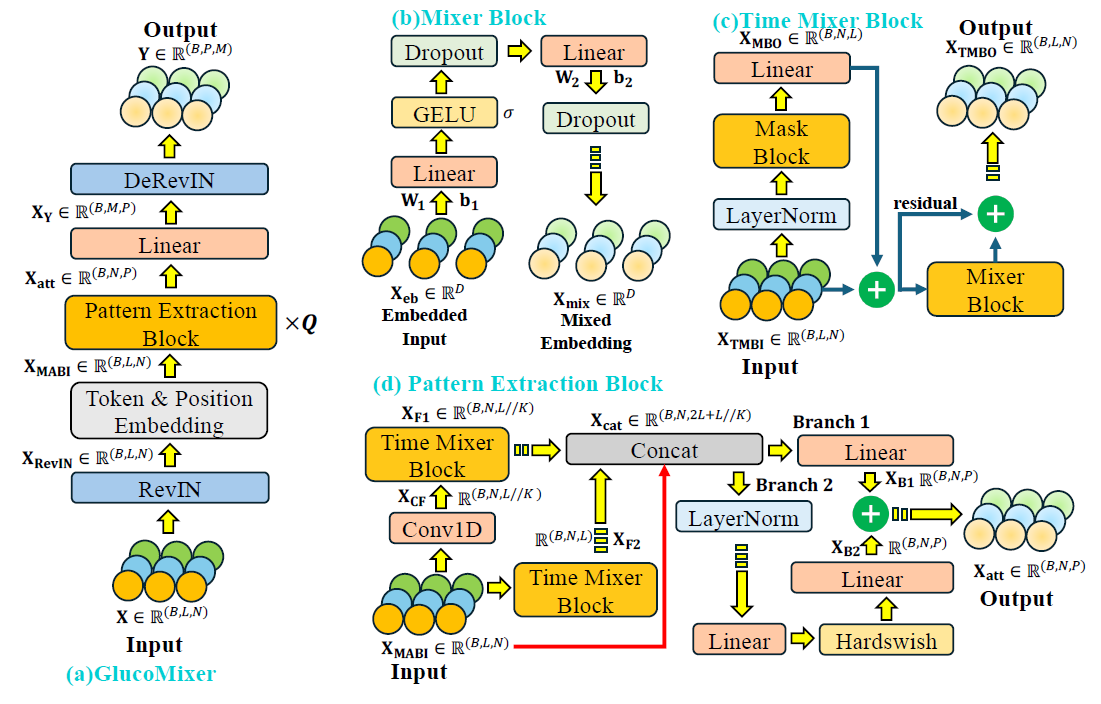
- Proposed GlucoMixer, an efficient encoder-only glucose monitoring framework based on Mixer architectures, achieving a balanced trade-off between predictive accuracy and model trustworthiness.
- Designed a lightweight Mask Block with progressive triangular masking to prevent future information leakage while preserving temporal continuity in continuous glucose prediction.
- Developed a Pattern Extraction Block that combines Conv1D filtering with dual Time Mixer Blocks to capture heterogeneous glucose dynamics across different diabetes patterns.
- Integrated temporal and channel mixing within a simple Mixer-based architecture, providing efficient feature interaction without relying on computationally intensive attention mechanisms.
- Demonstrated state-of-the-art and well-balanced performance across in-distribution and out-of-distribution glucose prediction benchmarks, improving both forecasting accuracy and uncertainty calibration for reliable clinical decision support.
A novel multivariate time series forecasting dendritic neuron model for COVID-19 pandemic transmission tendency Link
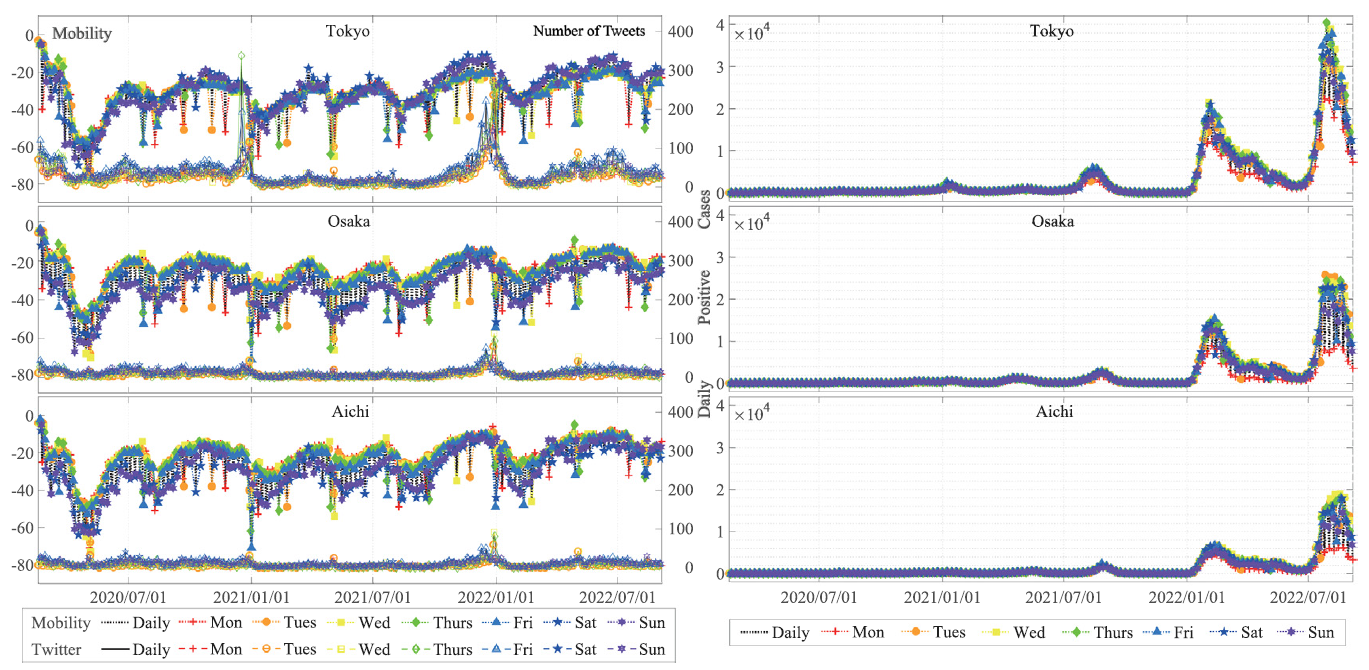
- Proposed a densely connected highly flexible dendritic neuron model (DFDNM) for multivariate time series forecasting.
- Introduced dense shortcut connections to alleviate vanishing and exploding gradient problems.
- Developed a highly flexible dendritic architecture with AdamW-based optimization.
- Achieved state-of-the-art performance in long-term COVID-19 transmission forecasting.
- Demonstrated the generalizability of DFDNM on multiple multivariate forecasting benchmarks.
Sensitivity of electrocardiogram on electrode-pair locations for wearable devices: computational analysis of amplitude and waveform distortion Link
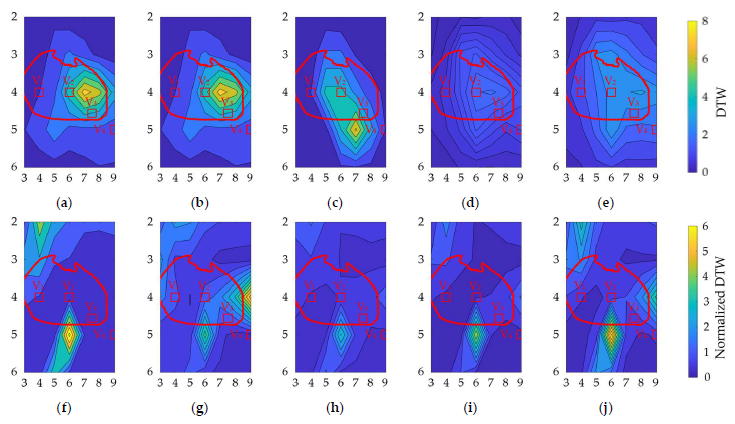
- Developed a computational framework to systematically evaluate wearable bipolar ECG electrode placements using anatomical human body models and electrophysiological simulations.
- Quantified the effects of body morphology, heart size, heart orientation, and electrode misalignment on ECG amplitude and waveform distortion using dynamic time warping (DTW).
- Revealed that heart–electrode distance predominantly determines ECG amplitude, whereas the solid angle of the heart relative to the electrode mainly governs waveform distortion.
- Identified electrode locations near the standard V2–V3 chest leads that provide robust ECG measurements with reduced inter-subject variability and lower sensitivity to electrode misalignment.
- Provided practical design guidelines for optimizing electrode placement and improving signal reliability in wearable ECG monitoring devices.
Transmission trend of the COVID-19 pandemic predicted by dendritic neural regression Link
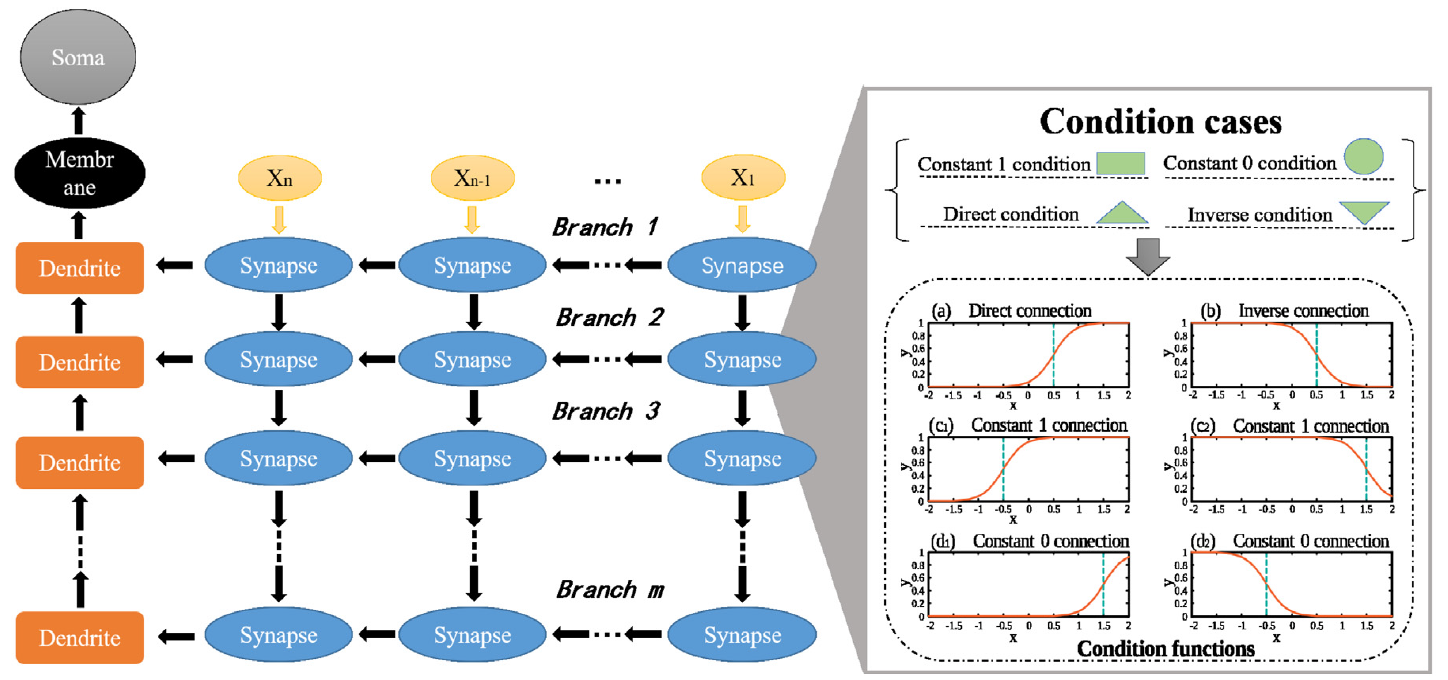
- Proposed a dendritic neural regression (DNR) model for COVID-19 transmission trend prediction.
- Introduced branch-strength modeling to enhance the regression capability of dendritic neural networks.
- Developed a scale-free state-of-matter search (SFSMS) algorithm for efficient optimization of DNR.
- Integrated phase space reconstruction to capture hidden nonlinear dynamics in epidemic time series.
- Achieved superior forecasting performance over state-of-the-art machine learning and deep learning methods.
A novel machine learning technique for computer-aided diagnosis Link
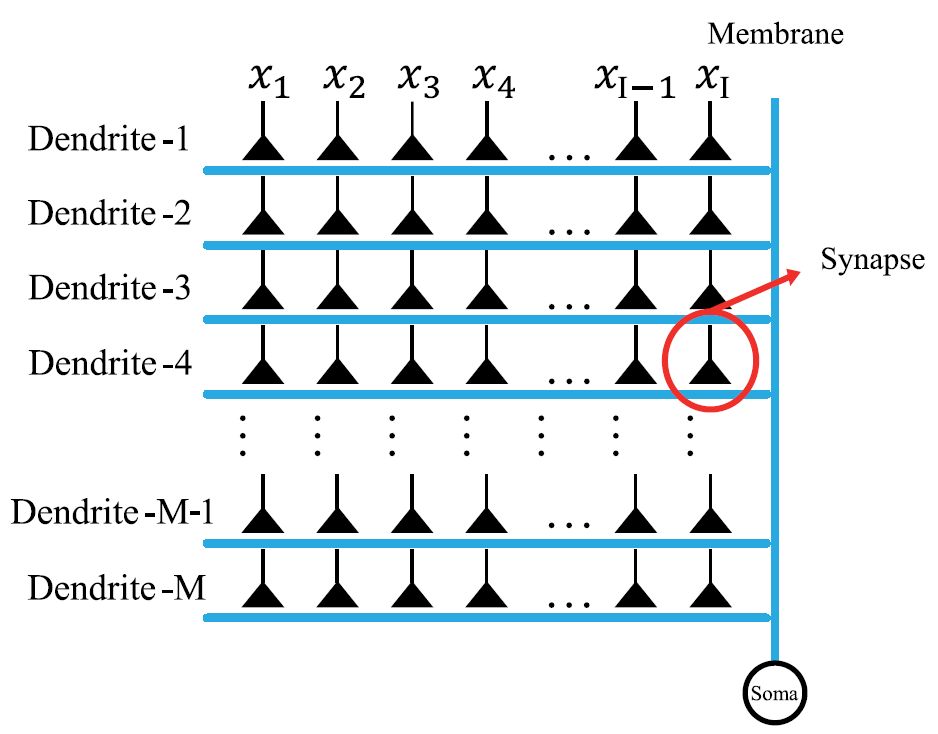
- Proposed an evolutionary dendritic neuron model (EDNM) for computer-aided medical diagnosis.
- Optimized the model using the gbest-guided artificial bee colony algorithm.
- Introduced a neuronal pruning mechanism for automatic model simplification.
- Enabled direct hardware implementation through logic circuits.
- Demonstrated superior diagnostic performance on multiple medical datasets.
Explainable AI (XAI) (3)
Transparent and trustworthy AI methods that make model behavior understandable to humans.
EDNMs for visual analytics of learning behavior and early risk prediction Link
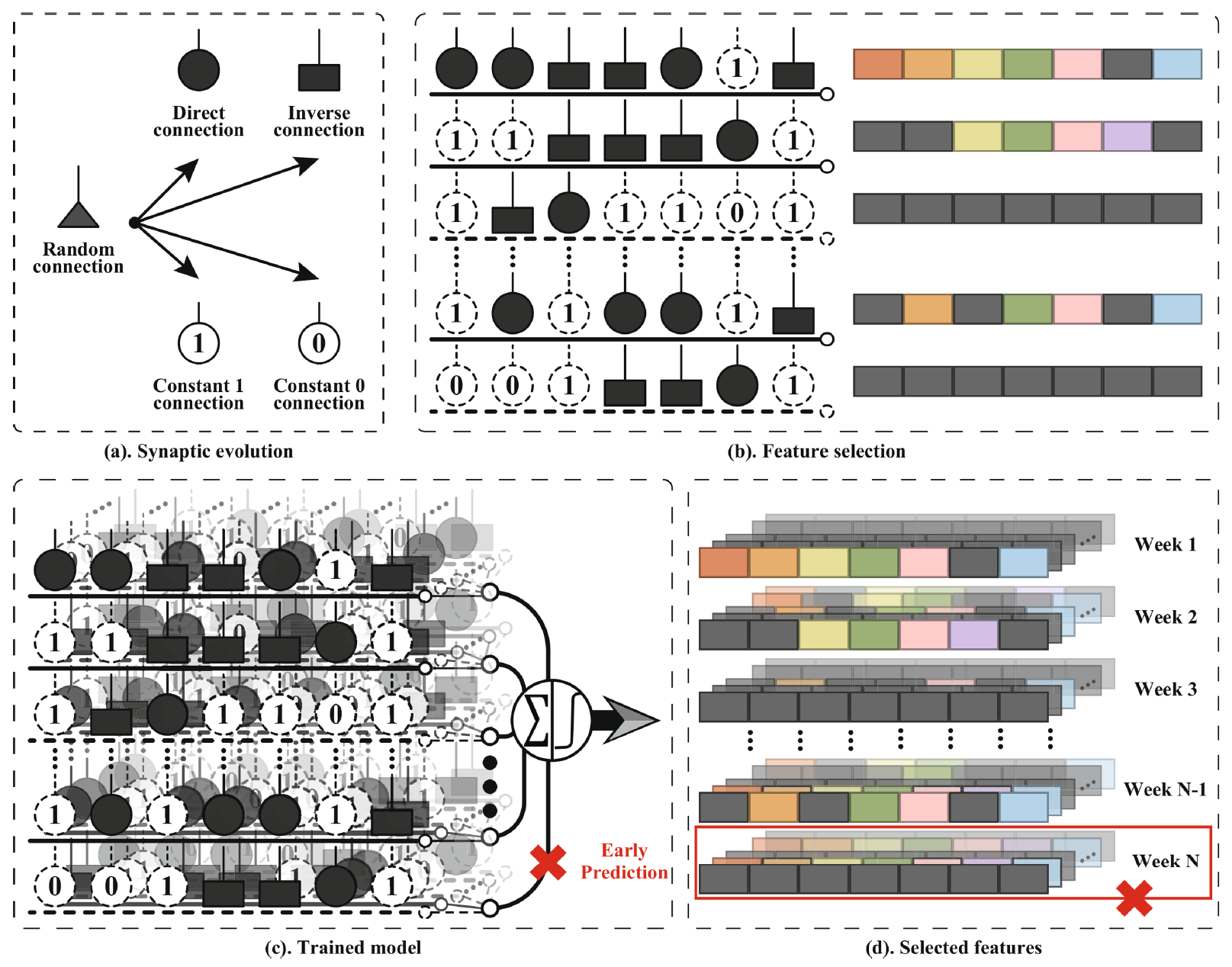
- Proposed ensemble dendritic neuron models (EDNMs) for interpretable early risk prediction in learning analytics.
- Enabled visual feature selection through biologically inspired neural pruning mechanisms.
- Developed a single-model framework for early prediction across different timeframes by dynamically pruning dendrites.
- Reduced computational overhead by eliminating the need to train multiple models for different prediction weeks.
- Achieved competitive prediction performance while providing transparent and explainable learning behavior analysis.
The mechanism of orientation detection based on color-orientation jointly selective cells Link
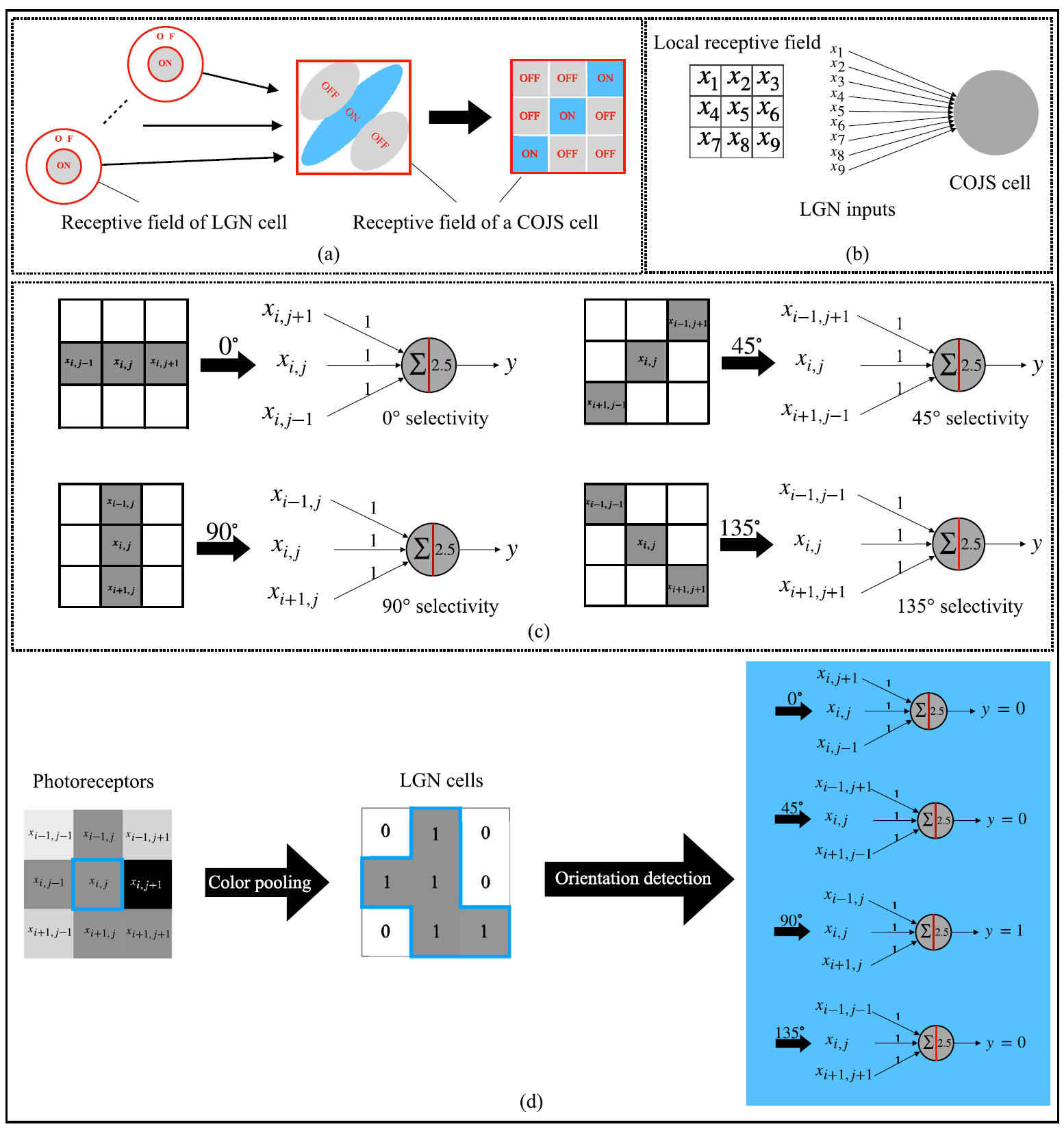
- Proposed a biologically inspired orientation detection mechanism based on color-orientation jointly selective (COJS) cells.
- Developed an artificial visual system (AVS) for interpretable global orientation detection.
- Designed a hardware-friendly implementation based on the McCulloch-Pitts neuron model.
- Achieved robust orientation detection with superior noise immunity and generalization.
- Demonstrated that AVS can effectively enhance the robustness of deep learning models through feature extraction.
A novel motion direction detection mechanism based on dendritic computation of direction-selective ganglion cells Link
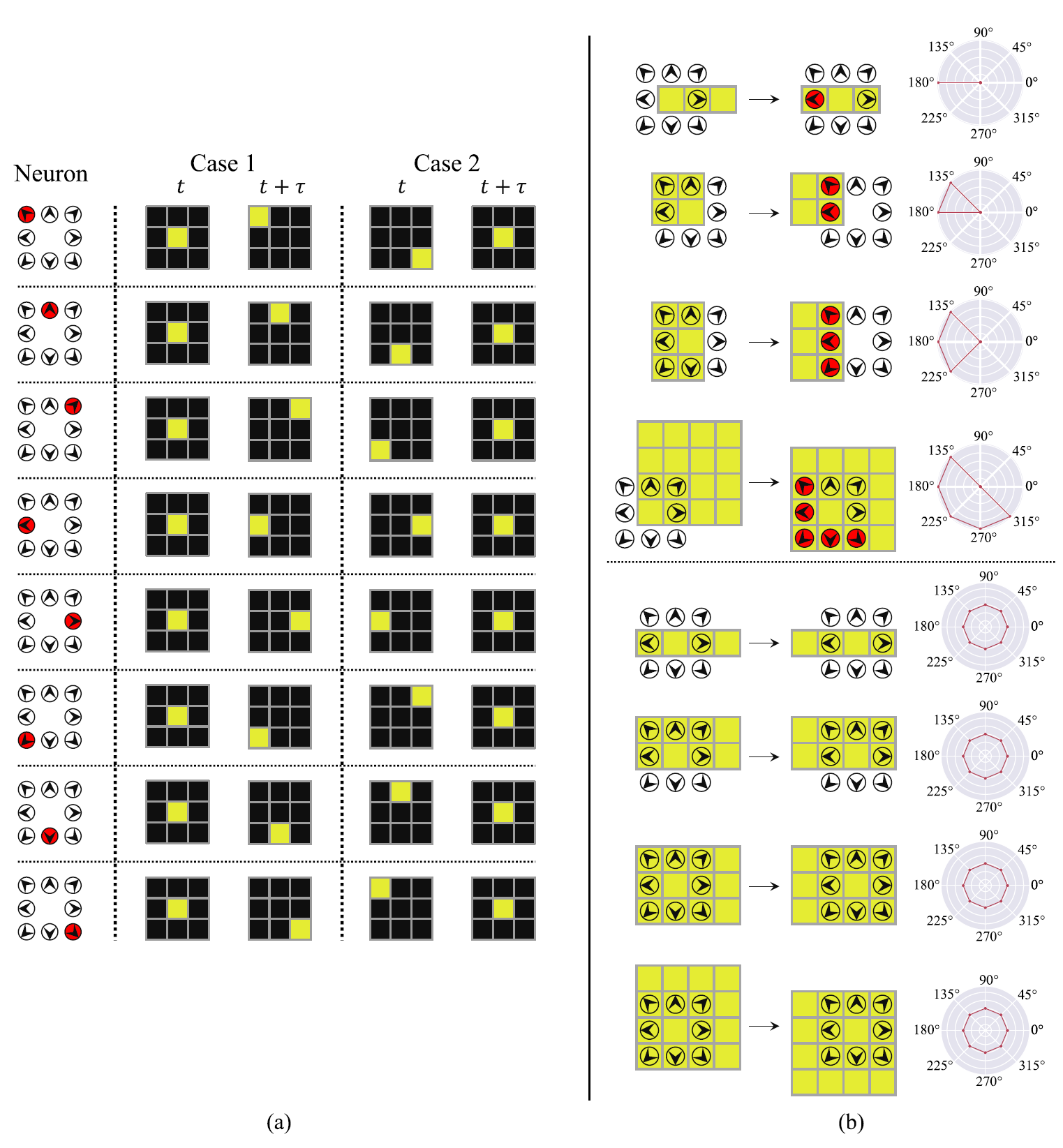
- Proposed a biologically inspired motion direction detection mechanism based on direction-selective ganglion cells (DSGCs).
- Developed a two-dimensional eight-direction motion detection framework using dendritic computation.
- Introduced a local receptive field scanning mechanism for global motion perception.
- Achieved robust motion detection for large-scale and random-dot images.
- Provided a biologically plausible computational model for understanding visual motion processing.
Learning Analytics (3)
Data-driven analysis of learning behavior for understanding, prediction, and educational support.
LECTOR: summarizing e-book reading content for personalized student support Link
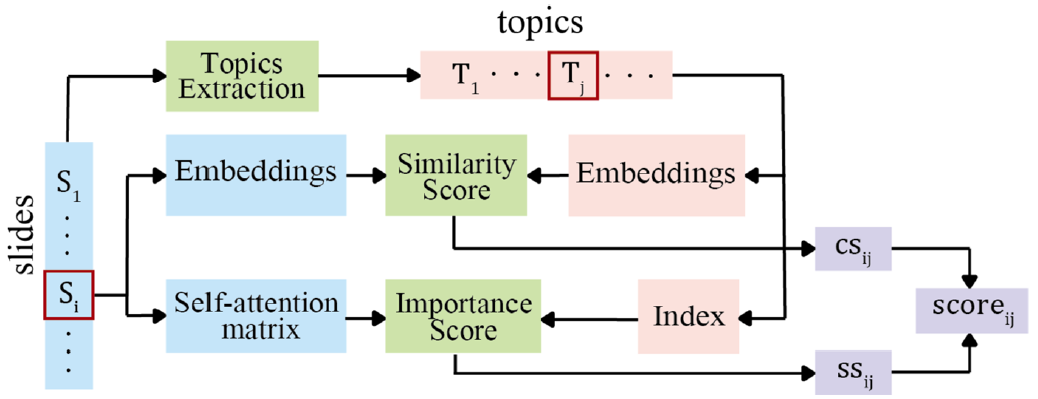
- Proposed LECTOR, an attention-based information retrieval framework that summarizes lecture slide content by modeling slide–topic relationships for educational e-book analysis.
- Designed a discourse-aware topic extraction mechanism that leverages the hierarchical structure of lecture slides to improve keyphrase extraction beyond conventional educational tools and state-of-the-art unsupervised NLP methods.
- Introduced a multimodal integration framework that combines reading activity logs with semantically contextualized slide content to derive topic-based reading preferences.
- Enhanced at-risk student prediction and model interpretability by incorporating topic-level reading features, enabling personalized identification of students' learning difficulties and reading preferences.
- Demonstrated the effectiveness of the proposed framework through large-scale experiments on 2,255 lecture slides and over 600,000 e-book reading logs, highlighting its potential for personalized educational support and learning analytics.
From reflections to motifs: a graph-based analysis of learners' knowledge construction Link
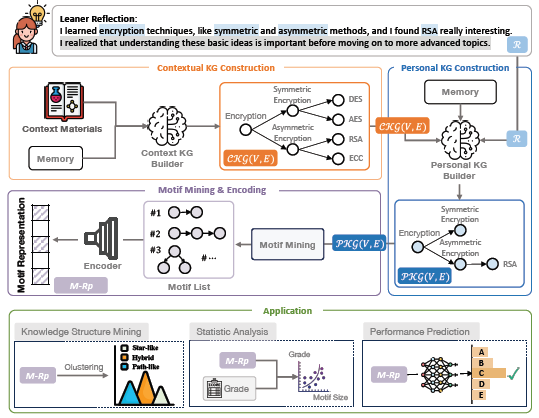
- Proposed a context-aware graph-based framework that transforms learner reflections into Personal Knowledge Graphs (PKGs) using large language models to explicitly represent learners' knowledge construction.
- Developed a motif mining and representation learning approach that identifies recurrent graph substructures to characterize common knowledge organization patterns in learner reflections.
- Introduced a structural analysis framework that categorizes motif patterns into path-like, star-like, and hybrid structures, enabling interpretable analysis of learners' conceptual organization and knowledge construction strategies.
- Revealed significant relationships between motif structural characteristics and learning outcomes through statistical analysis, providing interpretable evidence of how different knowledge organization patterns influence academic performance.
- Demonstrated that motif-based graph representations outperform text-based and graph neural network baselines in grade prediction and at-risk student identification, highlighting the effectiveness of graph mining for learning analytics.
Visual analytics of learning behavior based on the dendritic neuron model Link
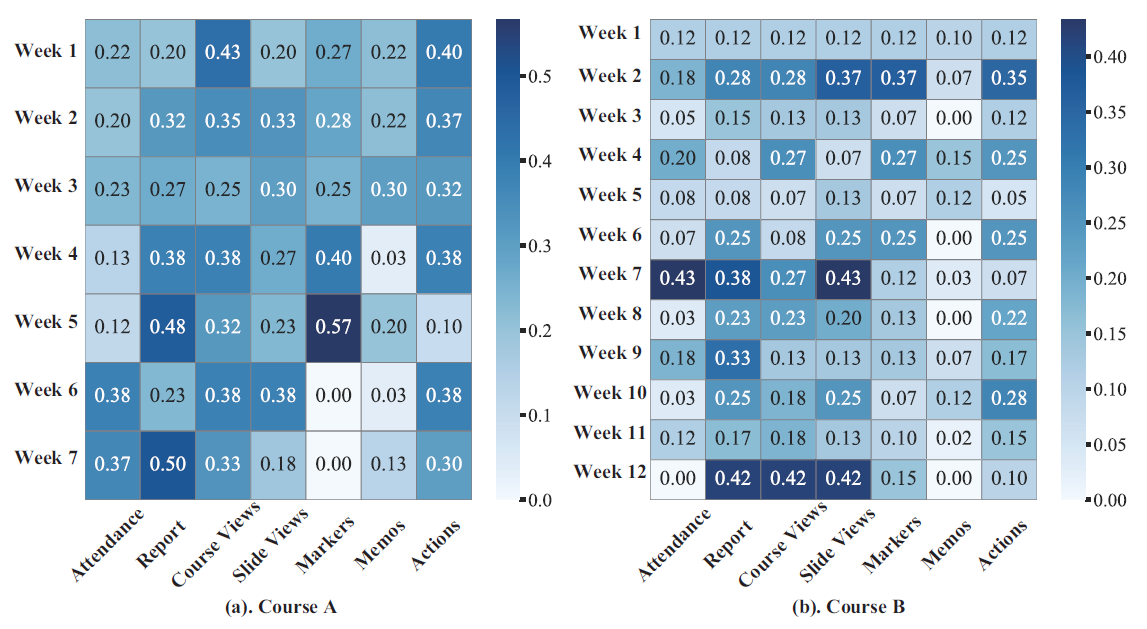
- Proposed a visual analytics framework for learning behavior prediction based on the dendritic neuron model.
- Developed an interpretable prediction model through synaptic and dendritic pruning mechanisms.
- Quantified the contribution of individual learning behaviors for feature importance analysis.
- Outperformed RNN, LSTM, GRU, BiLSTM, and BiGRU in student risk prediction.
- Provided actionable insights to support early intervention and personalized learning guidance.
Natural Language Processing (3)
Language understanding and generation techniques for extracting, organizing, and using knowledge.
Multi-granular legal information fusion with adversarial compensation: a hierarchical and logic-aware framework for robust case retrieval Link
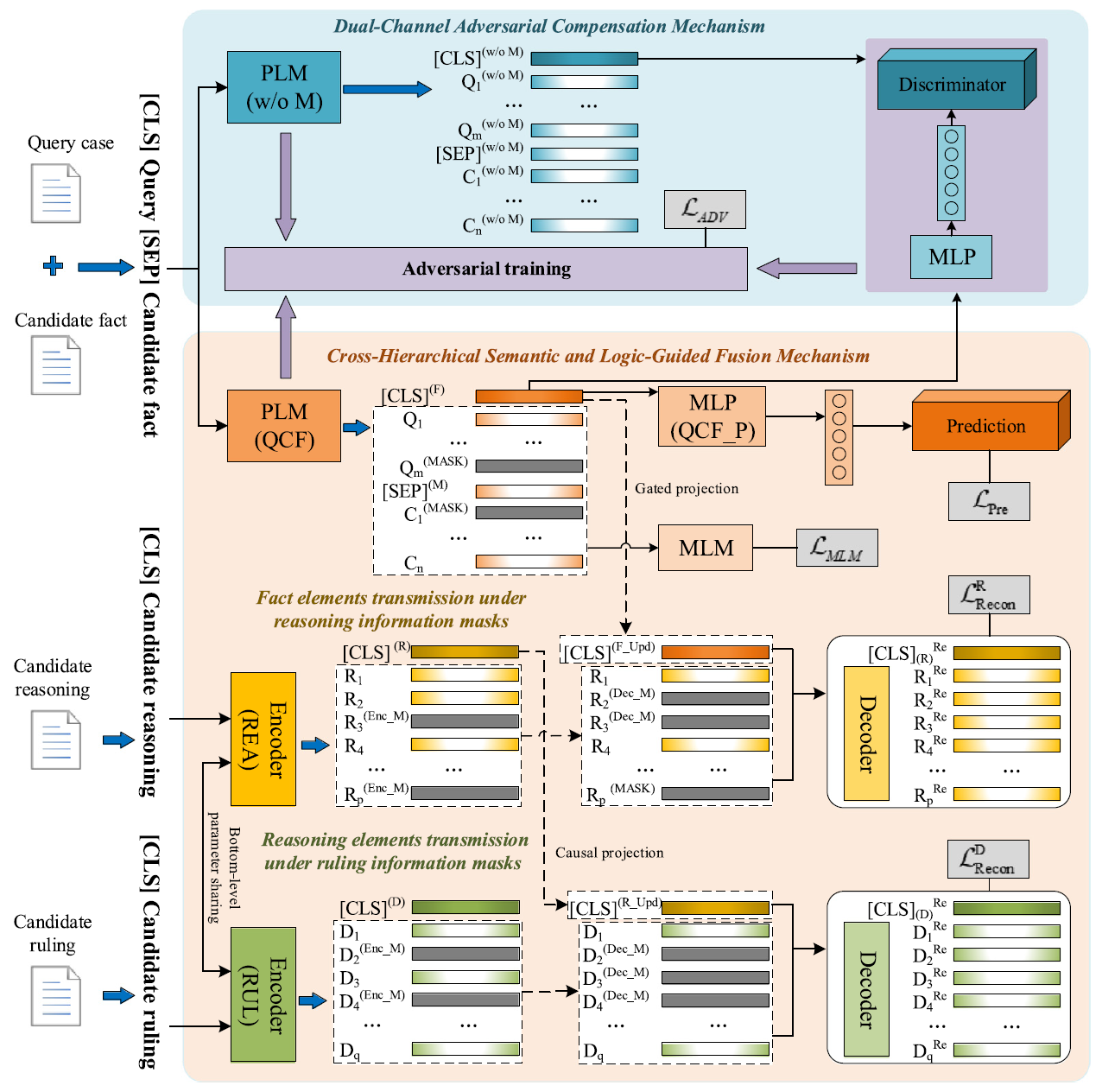
- Proposed a hierarchical and logic-aware framework for legal case retrieval.
- Introduced a dynamic masking strategy for fact, reasoning, and ruling modeling.
- Developed a cross-hierarchical semantic and logic-guided fusion mechanism.
- Designed a dual-channel adversarial compensation module for robust representation learning.
- Achieved state-of-the-art performance on multiple Chinese and English legal case retrieval benchmarks.
DPFSI: a legal judgment prediction method based on deontic logic prompt and fusion of law article statistical information Link
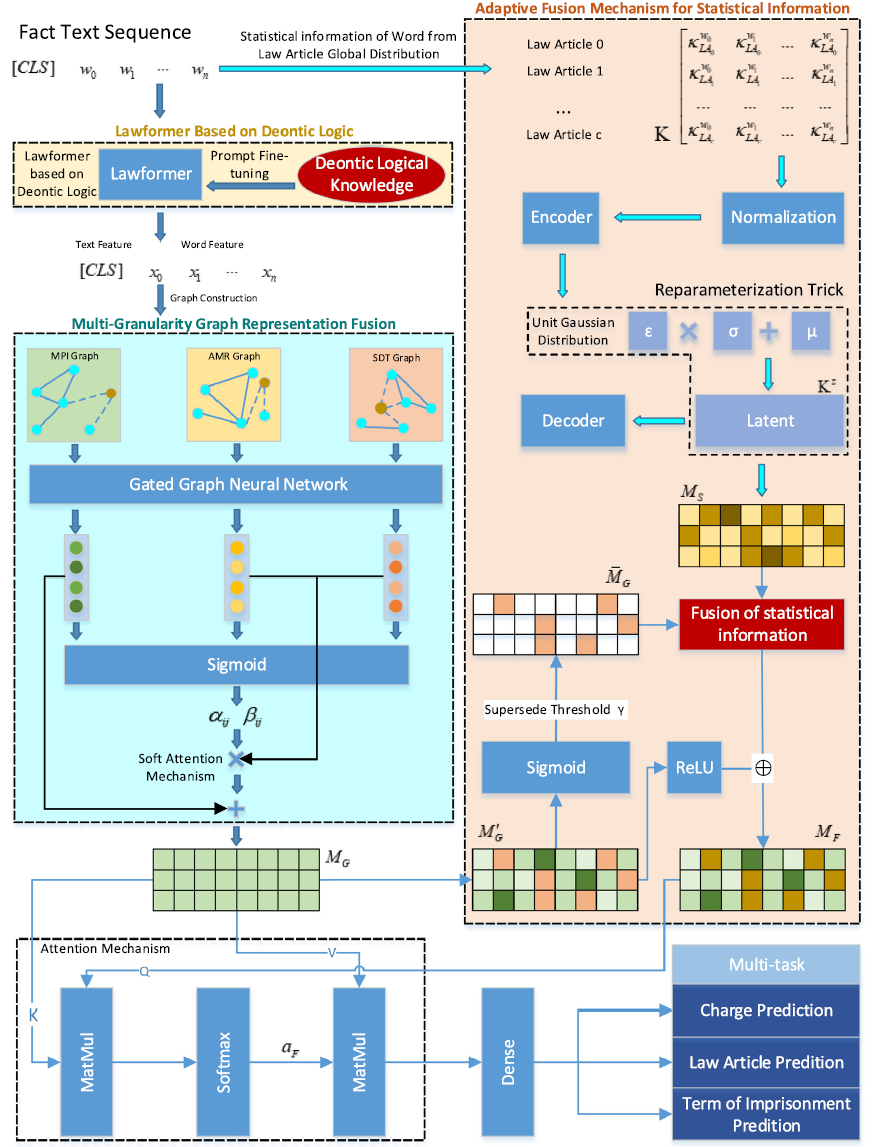
- Proposed the DPFSI framework for legal judgment prediction by integrating deontic logic prompt learning, multi-granularity graph representation fusion, and law article statistical information.
- Enhanced legal language representations through deontic logic prompt learning, enabling pretrained language models to better capture obligations, permissions, prohibitions, and normative reasoning in legal texts.
- Designed a multi-granularity heterogeneous graph fusion mechanism that combines PMI, AMR, and semantic dependency graphs via Gated Graph Neural Networks to jointly model semantic, syntactic, and structural information.
- Introduced an adaptive statistical information fusion mechanism that aligns law article statistics with textual representations using a β-VAE and selectively replaces low-confidence features to improve robustness while reducing overfitting.
- Achieved state-of-the-art performance on legal judgment prediction benchmarks, particularly for law article prediction, demonstrating the effectiveness of integrating legal knowledge, graph reasoning, and statistical information.
MFLSCI: multi-granularity fusion and label semantic correlation information for multi-label legal text classification Link
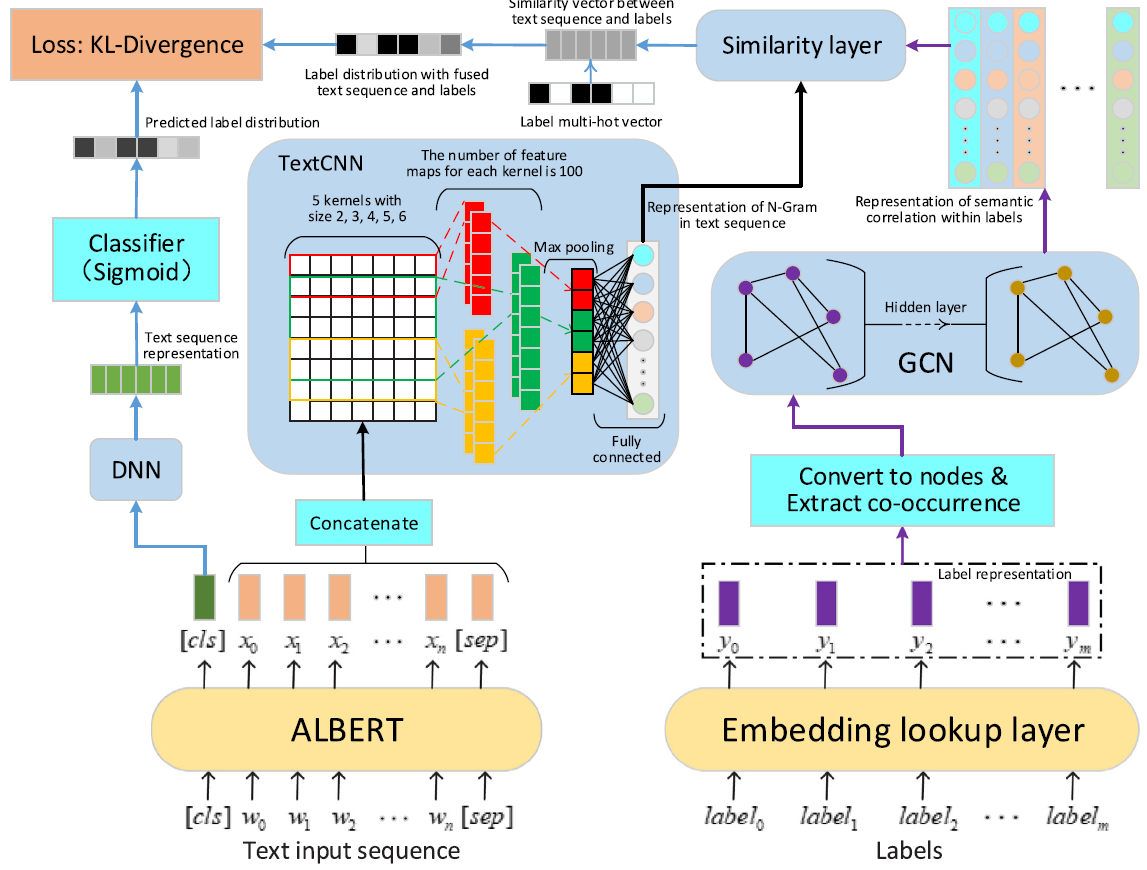
- Proposed the MFLSCI framework, which jointly models multi-granularity textual semantics and label semantic correlations for robust multi-label legal text classification.
- Integrated Graph Convolutional Networks (GCNs) with TextCNN to capture both inter-label semantic dependencies and multi-granularity N-gram representations, reducing label omission and confusion.
- Introduced a similarity-driven soft label distribution that fuses textual semantic features with label correlation information, replacing conventional multi-hot supervision with probability-based soft alignment.
- Improved robustness against noisy annotations by dynamically aligning text–label similarity distributions, significantly outperforming conventional label smoothing on mislabeled datasets.
- Demonstrated superior performance across multiple legal and general-purpose multi-label text classification benchmarks, validating the effectiveness and generalizability of the proposed framework.
Optimization (3)
Optimization algorithms for learning, search, scheduling, and intelligent system design.
A complex network-based firefly algorithm for numerical optimization and time series forecasting Link
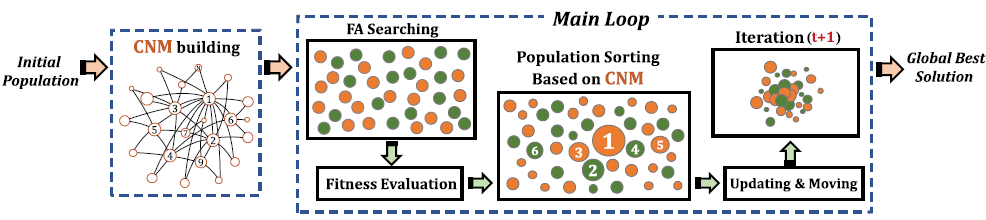
- Proposed a complex network-based firefly algorithm (CnFA) by introducing a scale-free network topology into swarm optimization.
- Improved the balance between global exploration and local exploitation through topology-guided information exchange instead of fully connected population interactions.
- Enhanced population diversity and alleviated premature convergence by exploiting the power-law connectivity characteristics of complex networks.
- Demonstrated that the proposed network-guided mechanism can be generalized to other population-based evolutionary algorithms.
- Achieved superior performance on CEC2017 benchmark optimization tasks and improved time-series forecasting accuracy for wind speed and air quality prediction.
A cuckoo search algorithm with scale-free population topology Link
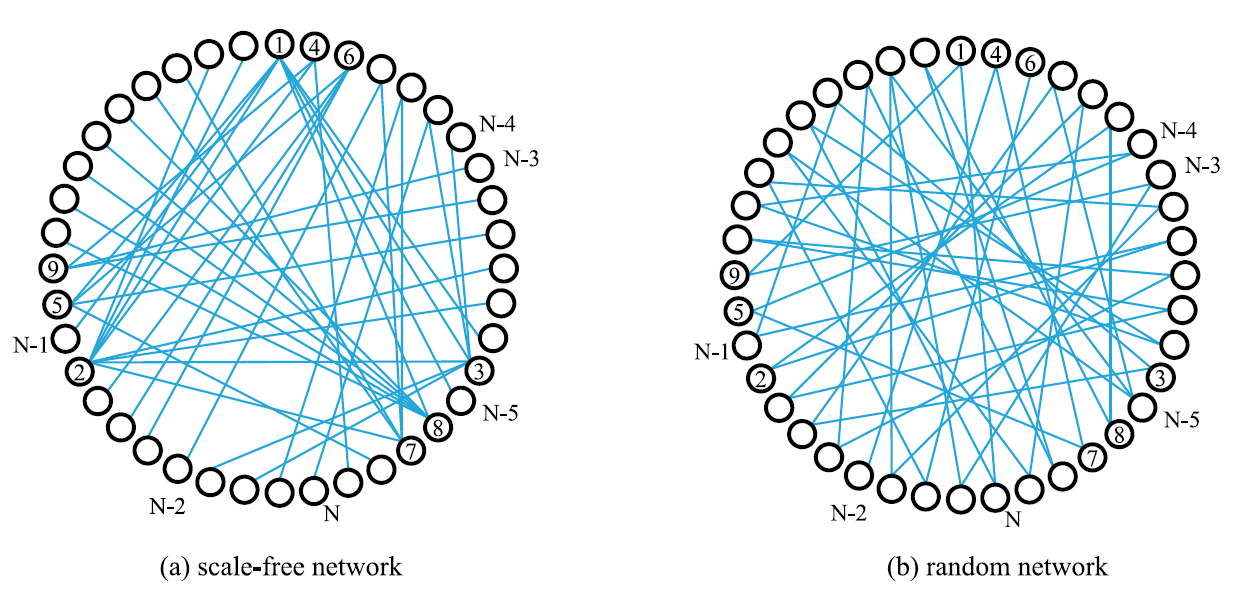
- Proposed a scale-free population topology for the cuckoo search algorithm.
- Improved the balance between exploration and exploitation through scale-free information exchange.
- Enhanced solution quality and convergence speed on large-scale optimization problems.
- Validated the proposed method on benchmark functions and real-world optimization problems.
- Demonstrated that the scale-free topology can be generalized to other population-based algorithms.
An artificial bee colony algorithm search guided by scale-free networks Link
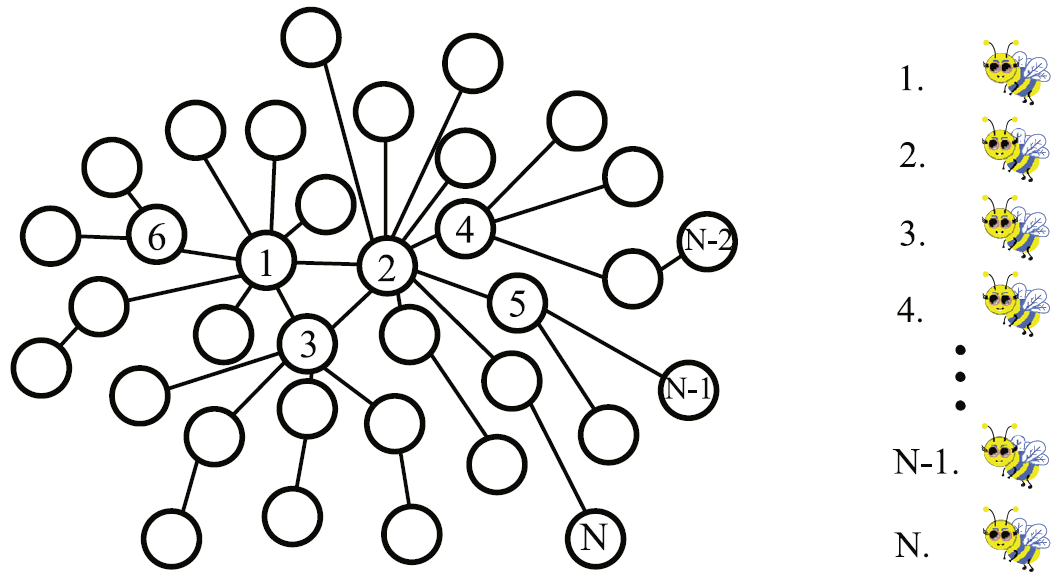
- Proposed a scale-free artificial bee colony (SFABC) algorithm guided by scale-free networks.
- Enhanced the balance between exploration and exploitation through scale-free information exchange.
- Accelerated convergence by guiding inferior solutions to learn from high-quality neighbors.
- Conducted a systematic analysis of scale-free network properties in evolutionary optimization.
- Demonstrated that the proposed mechanism can be generalized to improve other population-based optimization algorithms.
AI for Drug Design (2)
AI methods for molecular representation, property prediction, and data-driven drug discovery.
ATLAS-DMPNN: an attention-guided topological framework for enhanced ADMET property prediction Link
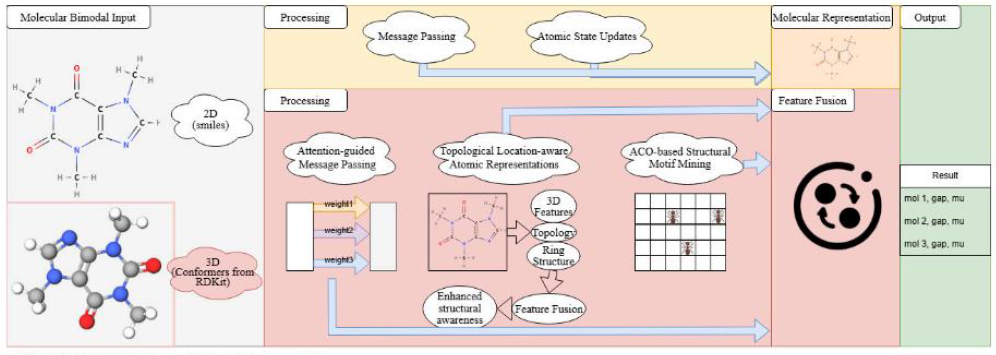
- Proposed ATLAS-DMPNN, an enhanced directed message passing neural network that integrates attention-guided message passing, topological encoding, and structural motif mining for ADMET property prediction.
- Introduced an attention-guided message aggregation mechanism with gated updates to improve feature weighting and capture pharmacologically relevant molecular interactions.
- Developed a topological feature encoding strategy by incorporating molecular positional, ring, and geometric information, strengthening structural sensitivity beyond conventional molecular graph representations.
- Designed an ant colony optimization (ACO)-based structural motif mining module to identify recurrent pharmacophore substructures and integrate motif-aware representations into molecular graph learning.
- Achieved superior performance on multiple ADMET benchmarks, particularly for bioactivity and toxicity prediction tasks, demonstrating the effectiveness of combining graph neural networks with interpretable topological and motif-based molecular representations.
Improving the artificial bee colony algorithm with a proprietary estimation of distribution mechanism for protein-ligand docking Link
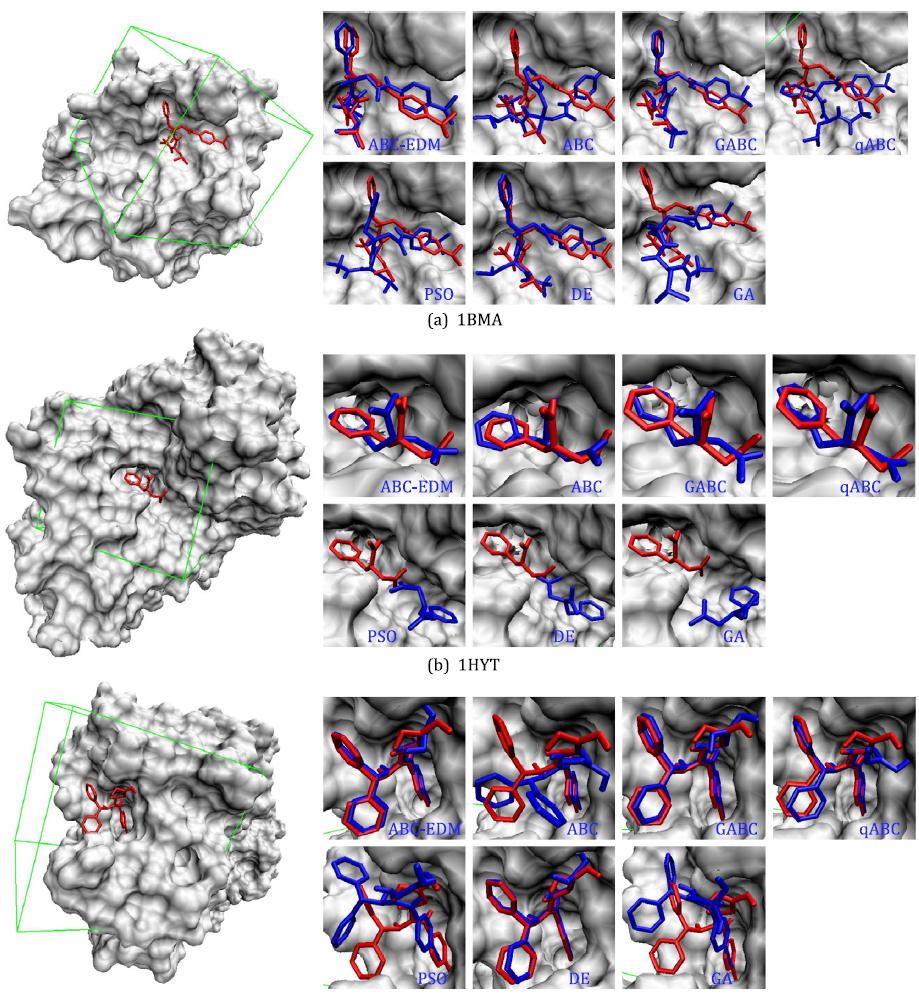
- Proposed ABC-EDM, an enhanced artificial bee colony algorithm for protein–ligand docking by integrating a problem-specific estimation of distribution mechanism (EDM).
- Designed a proprietary search mechanism that models ligand positional variables with probabilistic distributions while preserving promising molecular conformations to improve docking efficiency.
- Incorporated domain-specific knowledge of protein–ligand interactions into the optimization process, enabling more effective exploration of the docking search space than general-purpose evolutionary strategies.
- Achieved superior docking accuracy and optimization performance compared with representative ABC variants, evolutionary algorithms, and AutoDock Vina.
- Demonstrated that exploiting problem-specific prior knowledge significantly improves structure-based drug design and protein–ligand docking optimization.